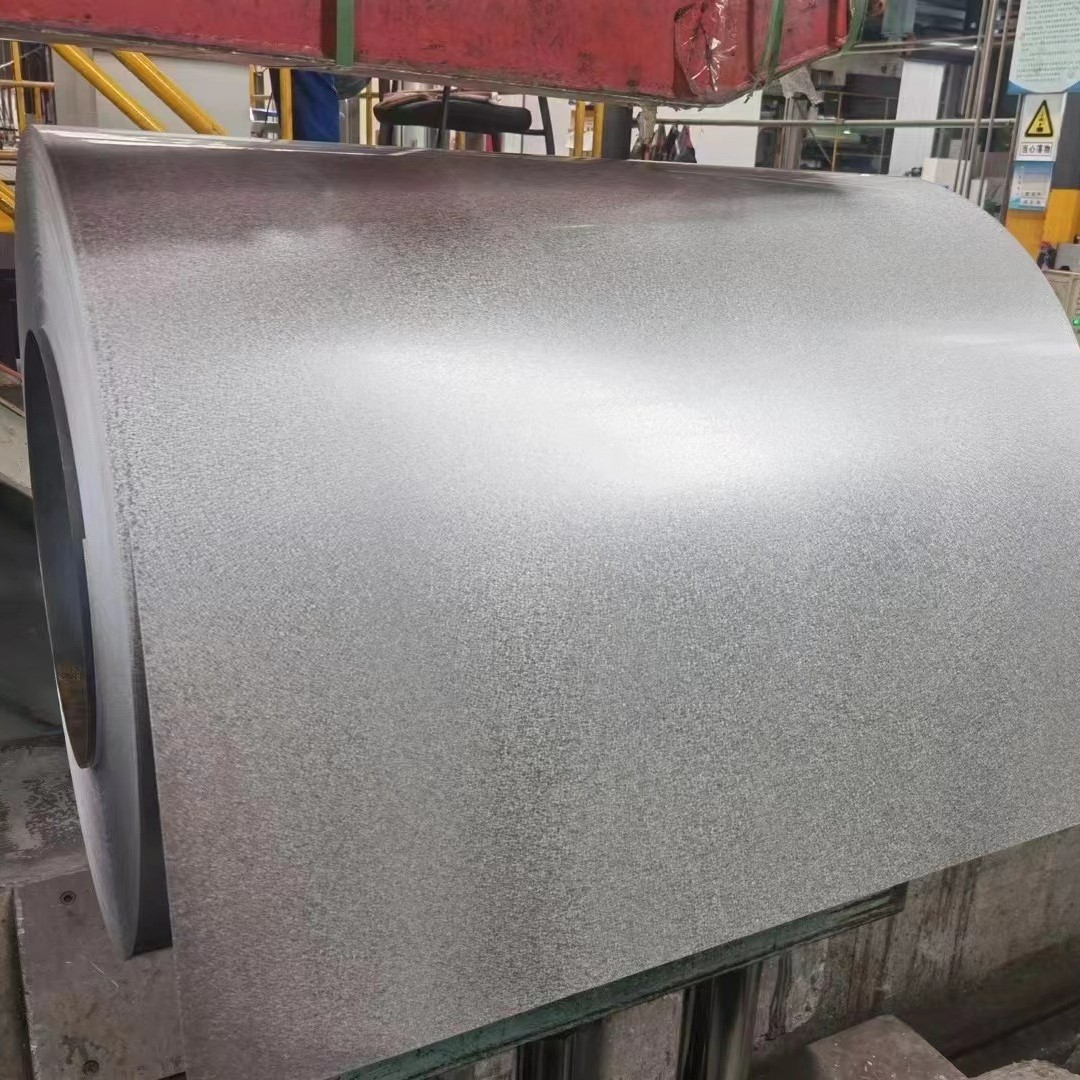
Aluminum zinc coated steel is a highly versatile material with superior properties, including excellent heat resistance, corrosion resistance, and eco-friendly characteristics. This innovative material has gradually replaced galvanized steel in various applications due to its durability and enhanced performance. Let’s dive deeper into the key characteristics that make aluminum zinc coated steel a preferred choice in the industry.
1. Superior Heat Resistance
One of the standout features of aluminum zinc coated steel is its exceptional heat resistance. Compared to galvanized steel and cold-rolled steel, aluminum zinc coated steel has a much higher resistance to high temperatures. This is due to the formation of an iron-aluminum alloy layer that provides excellent thermal stability, making it ideal for high-temperature applications.
2. High Thermal Reflectivity
Aluminum zinc coated steel also offers outstanding thermal reflectivity. At temperatures below 500°C, its light reflectivity is about 80%, while its infrared reflectivity reaches up to 95%. This high thermal reflectivity enables the material to serve as an efficient heat barrier or heat reflector in various high-temperature environments, quickly improving the internal temperature of furnaces and other thermal applications.
3. Excellent Corrosion Resistance
Thanks to the aluminum oxide film formed during the hot-dip galvanization process, aluminum zinc coated steel boasts superior corrosion resistance. This oxide layer acts as a protective barrier, making the steel resistant to chemical corrosion and ensuring its longevity. Even if the surface of the steel is scratched, the protective layer has self-healing properties, maintaining the material’s integrity.
4. Eco-friendly and Non-toxic
Aluminum zinc coated steel is environmentally friendly and non-toxic. The coating consists of aluminum, silicon, and iron, which have been shown to be safe for human health. Tests have confirmed that uncoated aluminum zinc steel meets food safety standards, making it suitable for direct use in food processing environments. Furthermore, it is fully recyclable, reducing its environmental impact.
5. Workability
Although aluminum zinc coated steel has good workability, it is slightly less easy to process than cold-rolled steel or galvanized steel due to the iron-aluminum alloy layer between the base metal and the coating. However, it can still be cut, stamped, and shaped, making it suitable for various manufacturing processes.
6. Weldability
When it comes to welding, aluminum zinc coated steel requires different conditions compared to cold-rolled steel. Due to aluminum’s softness, it bonds easily, and its strong electrical conductivity ensures better heat dissipation in the welding process, making it more suitable for applications that require high welding performance.
7. Coating Performance
The coating on aluminum zinc steel is designed to adhere strongly, but for enhanced durability, the surface should undergo a chemical pre-treatment. This ensures a stable bond, improving the coating’s performance in preventing corrosion and extending the material’s lifespan.
8. Aesthetic Appearance
Aluminum zinc coated steel stands out for its glossy surface and durability. Compared to traditional roller-coated steel, the molten coating technology used for aluminum zinc steel results in a longer-lasting shine, better corrosion resistance, and increased weatherability. The coating’s unique structure also gives it a sophisticated and attractive appearance, making it a great choice for architectural and industrial applications.
9. Considerations for Cutting
Although aluminum zinc coated steel offers excellent durability, once the material is cut, the edges lose their protective coating, which can lead to corrosion. To ensure a longer service life, it is recommended to minimize cutting and to apply anti-corrosion paints, such as zinc-rich coatings, to the exposed edges to protect them from rust.