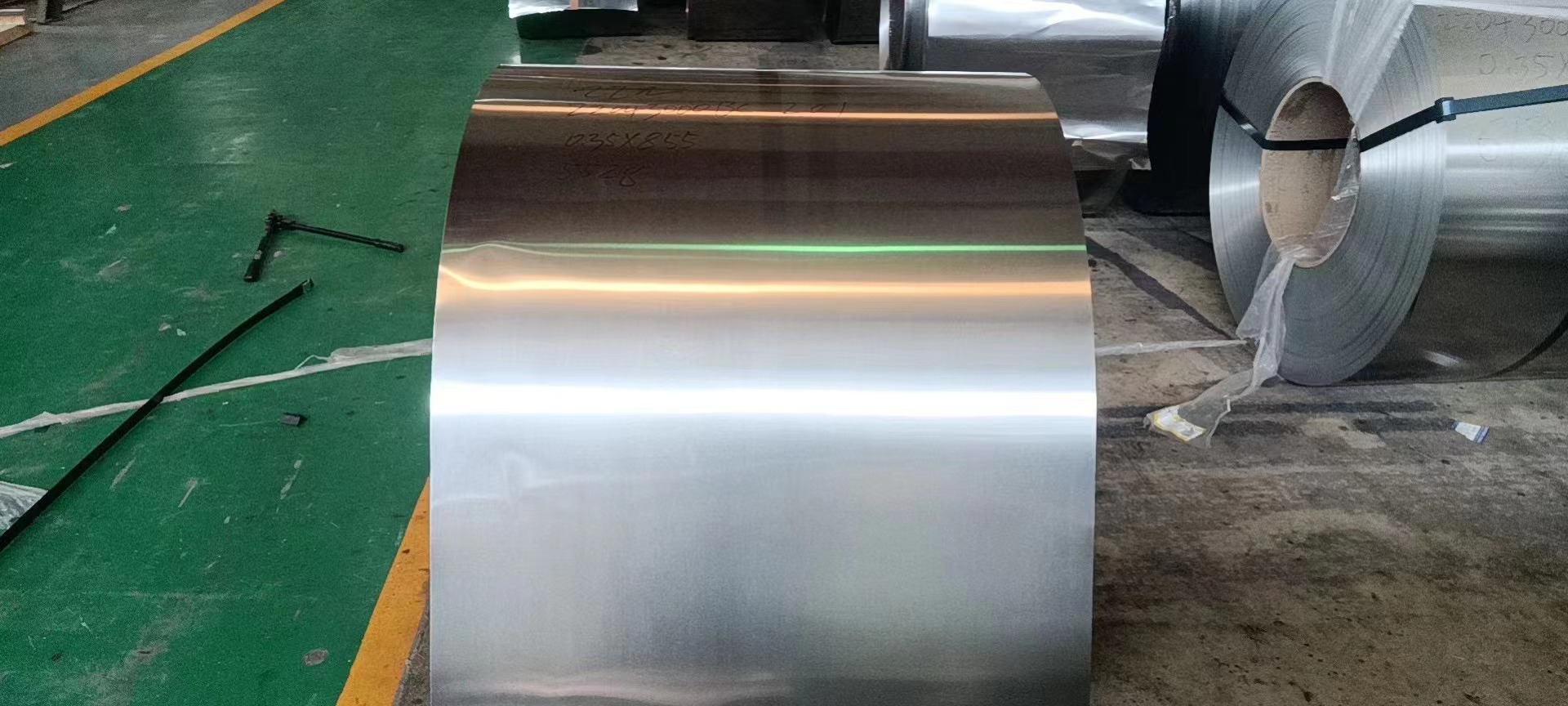
Galvanized steel sheets, known for their excellent corrosion resistance and processing properties, are widely used in industries such as construction, home appliances, and automotive. However, over time, these sheets accumulate dirt and dust, making regular cleaning necessary to maintain their performance and appearance. When cleaning galvanized steel, it is crucial to follow some key guidelines to ensure that the cleaning process does not damage the galvanized layer and that the operation is safe and effective.
1. Choosing the Right Cleaning Agent
The choice of cleaning agent is vital for preserving the integrity of the galvanized layer. Since galvanized steel has a protective metal coating, it is important to avoid aggressive cleaning agents. Strong acids or alkalis can damage the galvanized layer, exposing the underlying metal and accelerating corrosion. It is recommended to use neutral or weakly acidic cleaning agents that will not chemically react with or physically harm the galvanized layer.
2. Using Soft Cleaning Tools
When cleaning galvanized steel sheets, always opt for soft cleaning tools like sponges or soft cloths. Avoid using abrasive brushes or sharp objects that can scratch the galvanized surface. Additionally, it is important to apply gentle pressure during cleaning to prevent surface damage from excessive force.
3. Controlling Water Temperature
Water temperature plays a significant role in the cleaning process. High temperatures may cause the chemical components of the cleaning agent to become more active, which can accelerate the corrosion of the galvanized layer. It is advisable to use lukewarm water for cleaning, avoiding both excessively hot and cold water.
4. Avoiding Prolonged Soaking
Prolonged soaking of galvanized steel in cleaning agents should be avoided, as this can allow harmful substances in the cleaning solution to seep into the galvanized layer, compromising its corrosion resistance. Instead, opt for spraying or wiping methods and control the cleaning time to minimize exposure.
5. Prioritizing Safety
Safety is another essential factor when cleaning galvanized steel. To protect yourself from splashes of cleaning agents, always wear safety goggles and gloves. Ensure that the cleaning area is well-ventilated to avoid exposure to harmful fumes released by the cleaning agents.
6. Rinsing and Drying
Once the cleaning process is completed, rinse the galvanized steel sheet thoroughly with clean water to remove any residual cleaning agents. After rinsing, dry the surface with a clean cloth to ensure that no moisture or residue remains, which could affect the performance of the steel in future use.
Conclusion
In conclusion, cleaning galvanized steel sheets requires careful attention to the choice of cleaning agents, tools, water temperature, and safety precautions. By using appropriate cleaning agents, soft tools, and controlling the cleaning process, you can ensure that the galvanized layer remains intact and the steel sheet’s corrosion resistance is preserved. Following these best practices will help extend the lifespan of galvanized steel and maintain its excellent performance and appearance.