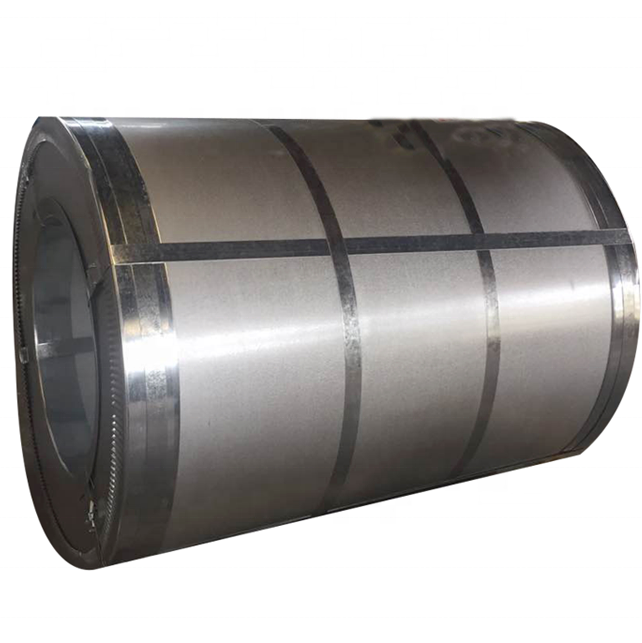
Aluzinc sheets, an essential material in various industries like construction, automotive, electronics, and furniture, are prized for their excellent corrosion resistance and aesthetic appeal. These characteristics make them a popular choice in modern industrial applications. However, transporting Aluzinc sheets requires careful handling to preserve their quality and ensure safety throughout the shipping process. Below are key considerations to keep in mind when transporting Aluzinc sheets.
1. Packaging Requirements
Proper packaging is crucial when transporting Aluzinc sheets to prevent damage and contamination. The packaging material must offer good shock-absorption, waterproofing, and moisture resistance to protect the sheets from external environmental factors. Common packaging materials include wooden pallets, cardboard boxes, and plastic bags. When choosing packaging materials, it’s essential to ensure their quality meets the required standards, tailored to the specific needs of the shipment.
2. Securing the Sheets
During transport, it is vital to securely fasten Aluzinc sheets in the vehicle or container to prevent movement and collisions. The securing method should be reliable to avoid displacement or tilting during transit. Typically, steel straps, ropes, or fasteners are used to keep the sheets in place. The choice of securing methods should be based on the shipment’s specific conditions, ensuring the reliability of the fastening process.
3. Stacking Requirements
Proper stacking is essential to avoid compression or deformation of Aluzinc sheets during transport. Here are the key points to follow during stacking:
- Ensure there is adequate spacing between the sheets to prevent mutual compression or friction.
- Maintain an appropriate stacking height to avoid excessive pressure on the sheets at the bottom.
- Ensure the stacking position is stable to prevent movement or tilting during transit.
4. Avoiding Contamination
It is crucial to prevent Aluzinc sheets from coming into contact with contaminants during transport to maintain their surface cleanliness and aesthetic quality. Transportation should be avoided in harsh weather conditions, such as rainy or windy weather. Additionally, during loading and unloading, it is important to handle the sheets carefully to avoid contamination.
5. Safety Considerations
The transportation of Aluzinc sheets must adhere to safety regulations to ensure both personnel and property are protected. Key safety practices include:
- Drivers should have the appropriate licenses and qualifications, adhering to traffic laws.
- The transport vehicle should be in good condition, with functional brakes and safety features, and should undergo regular maintenance.
- A designated operator should supervise the loading and unloading process, with proper safety gear worn.
6. Temperature and Humidity Control
Aluzinc sheets are sensitive to changes in temperature and humidity. During long-distance or international transport, the sheets may encounter different climate zones, which can affect their quality. To mitigate potential issues, it is advisable to:
- Use containers or vehicles equipped with temperature and humidity control systems.
- Check the temperature and humidity levels in the container before loading to ensure they are within the acceptable range.
- Avoid transporting in extreme weather conditions, such as heavy rain or intense sunlight.
7. Choose an Experienced Logistics Provider
To ensure the safe and efficient transport of Aluzinc sheets, it is recommended to work with a logistics provider who has extensive experience and a good reputation. Such providers typically have professional teams, state-of-the-art equipment, and well-established services that can offer tailored logistics solutions for Aluzinc sheet transportation.
Conclusion
Proper handling and transport of Aluzinc sheets require attention to packaging, securing, stacking, contamination prevention, and safety measures. Additionally, maintaining temperature and humidity control is essential to prevent any damage during transit. By selecting a reliable and experienced logistics provider, businesses can ensure their Aluzinc sheets reach their destination safely and in optimal condition.