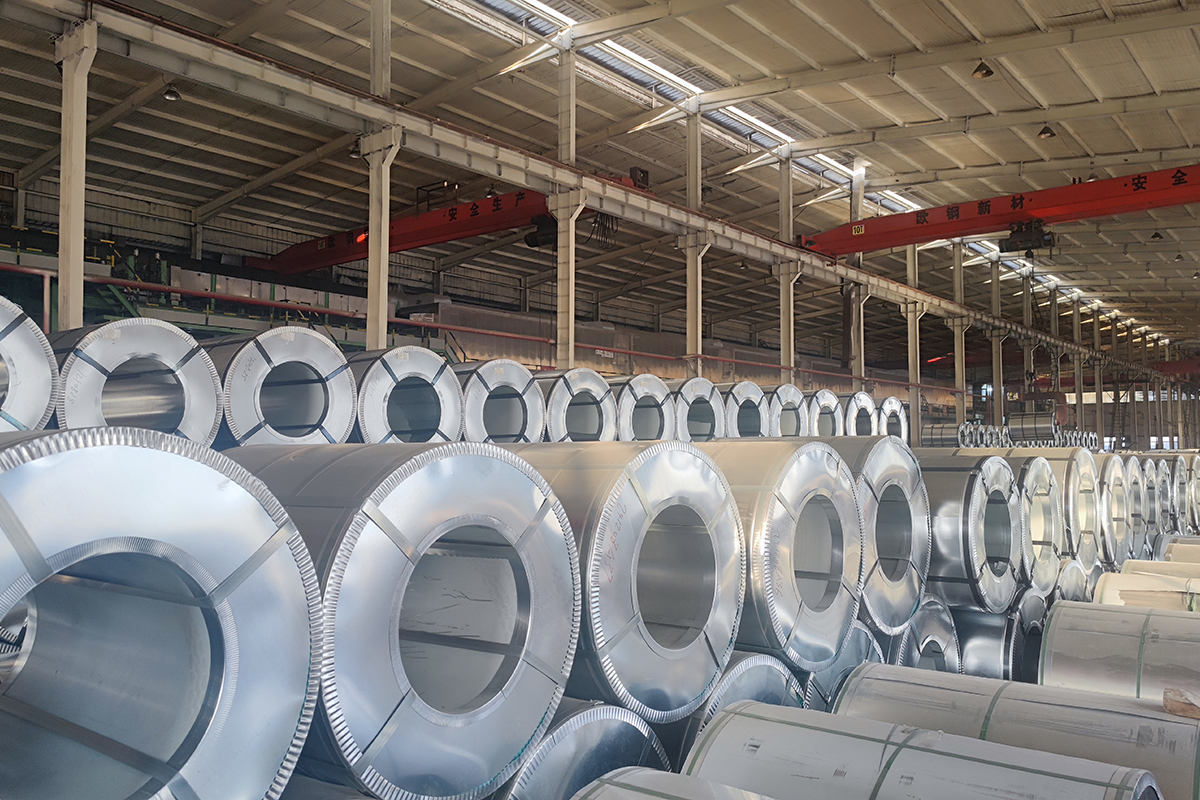
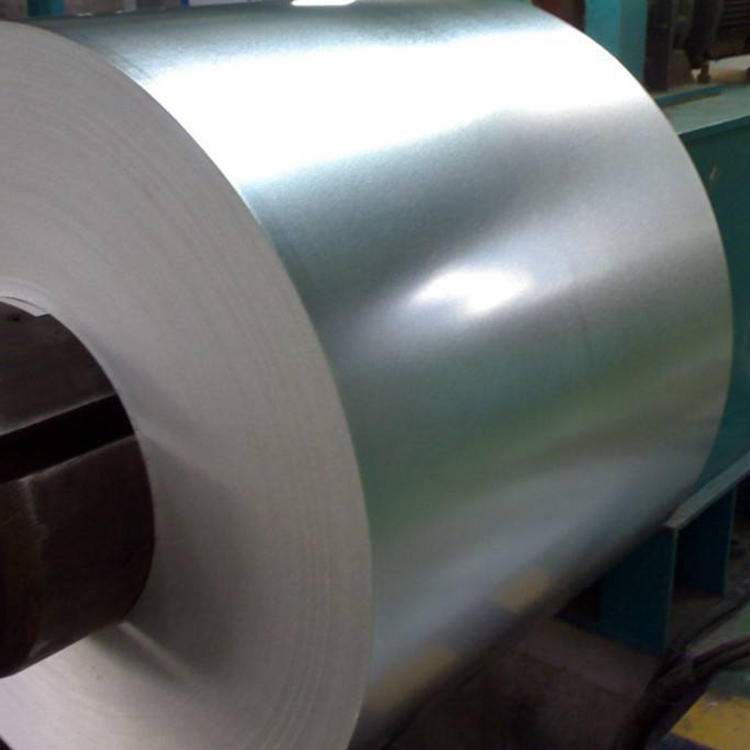
In the heart of the global steel industry, galvanized steel coils are undergoing a geopolitical and trade rule reinvention unseen in decades. This $23.5 billion industry , a cornerstone of construction, automotive, and appliance sectors, has become a microcosm of 大国博弈. From Southeast Asia’s tariff tempests to the EU’s green barriers, and from North American supply chain disruptions to emerging market surges, the global landscape of galvanized steel coils is being redrawn.
The Trump administration’s “reciprocal tariff” policies detonated a chain reaction across Southeast Asia’s manufacturing hubs. Vietnam and Cambodia now face up to 88.12% anti-dumping duties on galvanized steel products , directly impacting supply chains for multinationals like Nike and Adidas. Patrick Soong, an American business executive, exemplifies this shift by relocating production to the Philippines, where tariffs stand at just 17%. Such disruptions not only inflate U.S. corporate costs but also expose the fragility of globalized manufacturing.
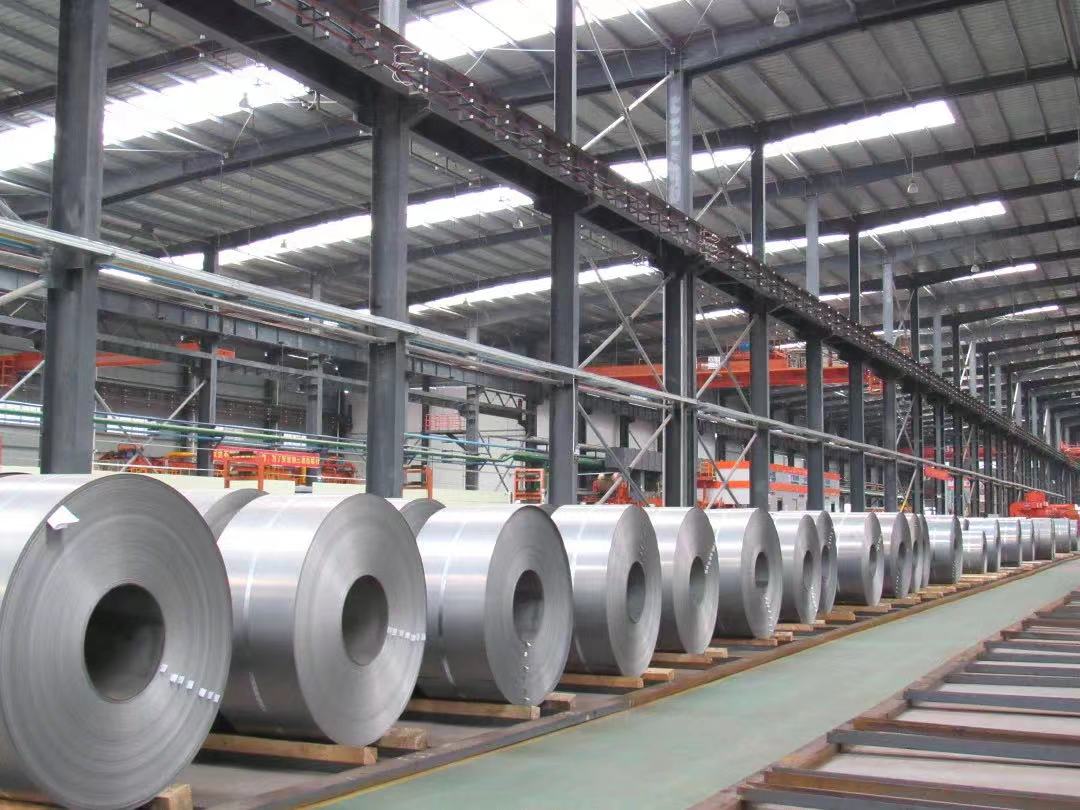
A deeper implication lies in the erosion of rules-based globalization. As Southeast Asian nations concede ground in negotiations, the U.S. Department of Commerce imposed 88.12% tariffs on Vietnamese galvanized steel in April 2025 , signaling a “carrot-and-stick” approach that undermines established trade norms. This strategy risks fragmenting markets, forcing companies like Langzoholding to rethink regional investments.
Southeast Asian nations are caught in a paradox. Vietnam’s 37.13% temporary anti-dumping duties on Chinese and South Korean galvanized steel , ostensibly to protect local industries, reveal deeper structural vulnerabilities. Seventy percent of Vietnam’s galvanized steel capacity relies on Chinese technology and equipment, creating a self-defeating cycle. Meanwhile, Thailand and Cambodia are seeing surging production: Thailand, Southeast Asia’s largest cold-rolled galvanized coil producer, exports 3 million tons annually to the Middle East and Europe, while Cambodian prices have spiked 25% to $800/ton . This artificial boom stems from panic-driven investments in supply chain security.
Pakistan’s 2024 anti-circumvention probe into Chinese galvanized coils adds another layer of complexity. With China supplying 64-67% of Pakistan’s imports post-2022, this move could disrupt infrastructure projects vital to the China-Pakistan Economic Corridor. Langzoholding is among firms diversifying to avoid such risks, exploring partnerships in Bangladesh and Myanmar.
While North America and Southeast Asia grapple with tariffs, the EU is reshaping global steel standards through environmental mandates. The 2025 Steel and Metal Action Plan expands the Carbon Border Adjustment Mechanism (CBAM) to downstream steel products, requiring 2030 decarbonization targets . For Chinese exporters, this dual challenge—carbon compliance and market access—has spurred innovation. HBIS Group’s cold-rolled galvanized sheets now meet EU ROHS standards, with lead/cadmium levels 10% of allowable limits . Such upgrades align with the EU’s 2027 CBAM phase-in, where imported steel must match domestic carbon costs .
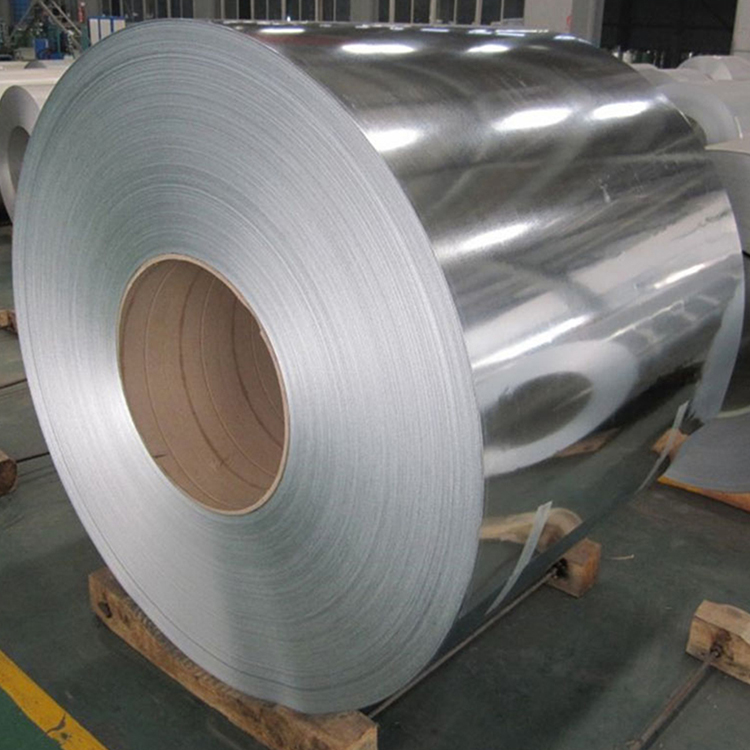
Langzoholding’s R&D investments in zinc-aluminum-magnesium coatings—three times more corrosion-resistant than traditional galvanization—position it for premium EU markets. This mirrors the industry’s pivot toward sustainability, with hydrogen-based steelmaking pilot projects in Europe promising zero-carbon production by 2030 .
Amid traditional market chaos, the Middle East and Africa emerge as growth engines. Algeria’s cold-rolled galvanized imports rise 15% annually for highways and energy projects, while India’s 2025 “Make in Steel” policy mandates domestic procurement for government projects . Though protectionist, this could accelerate India’s transition from importer to exporter.
China’s Belt and Road Initiative is reshaping trade flows. Baowu Huangshi’s partnerships with Haier and Midea have captured 30% of Southeast Asia’s high-value market . Langzoholding leverages this momentum, establishing joint ventures in Saudi Arabia and Nigeria to bypass tariffs and align with local content requirements.
To navigate trade wars and green regulations, companies must innovate rapidly. Baowu Group achieved a 300% year-on-year increase in high-value product orders in 2025 , demonstrating the power of differentiation. Langzoholding’s “overseas production + localization” model—factories in Vietnam and Egypt—reduces tariff exposure while improving market responsiveness.
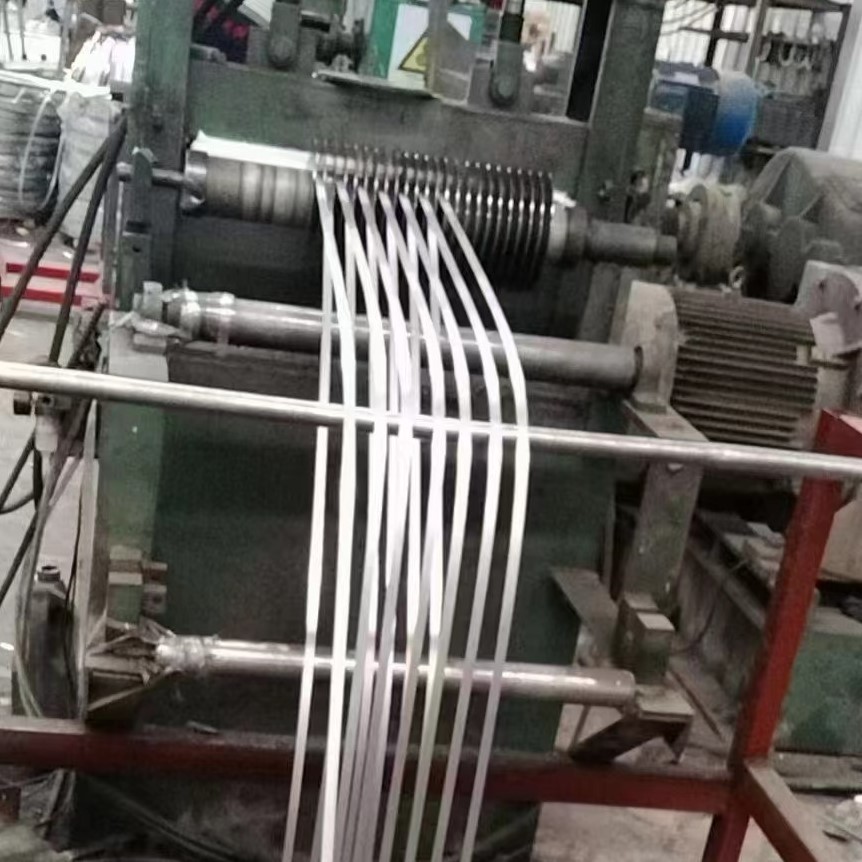
At the technological frontier, EU-backed hydrogen-based steelmaking and China’s zinc-aluminum-magnesium alloys are rewriting industry norms. These innovations not only comply with CBAM but also open doors to premium sectors like EV manufacturing and renewable energy infrastructure.
The galvanized steel industry’s upheaval mirrors broader global economic realignment. As tariffs, environmentalism, and geopolitics converge, survival hinges on technological leadership and strategic adaptability. Future leaders will be those like
Langzoholding, capable of balancing trade barriers, driving green innovation, and seizing opportunities in emerging markets. The story of galvanized steel coils is far from over—it is a saga of resilience in an era of relentless change.