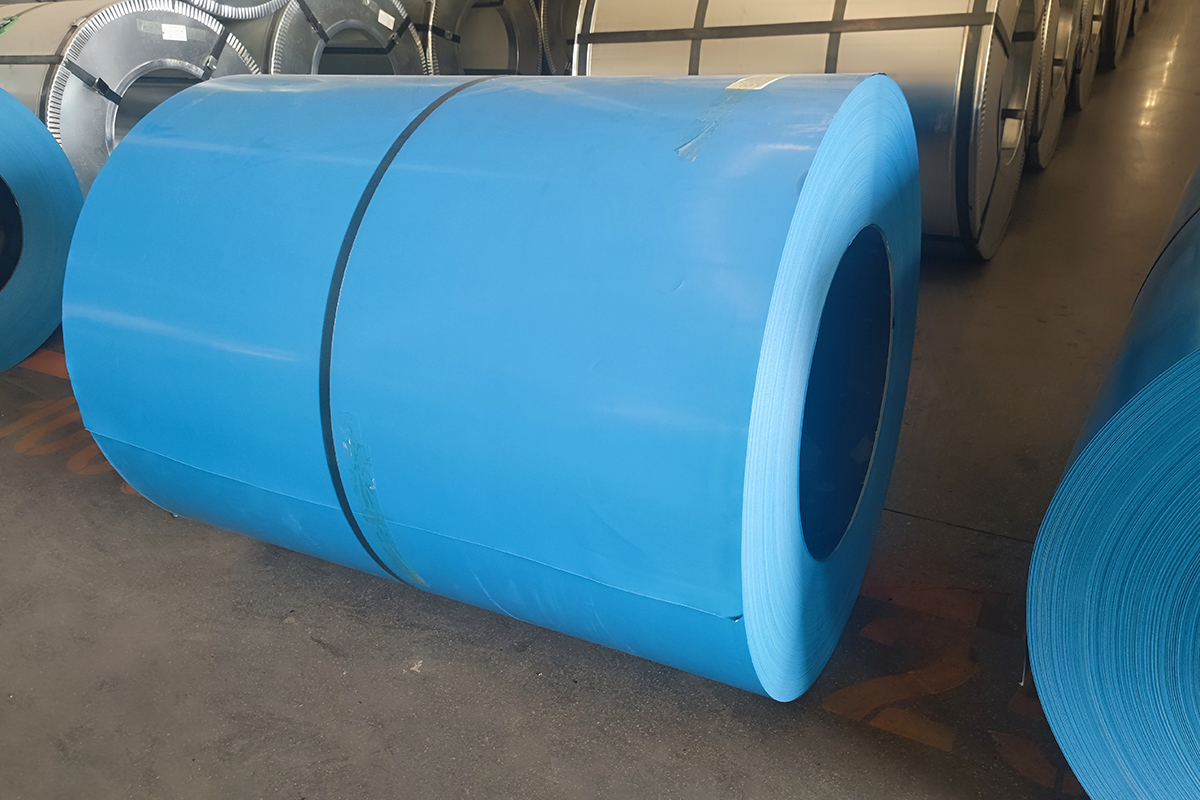
The forming of color aluminum sheets involves two main steps before the actual shaping process: pre-treatment and coating. These two steps are essential in ensuring the high quality of the final product. They offer the benefits of aluminum sheets and organic materials, such as high strength, good toughness, and ease of processing. Let’s take a closer look at these two crucial steps.
1. Pre-treatment of Color Aluminum Sheets
The pre-treatment process for aluminum substrates emerged alongside coating technology, supporting the preparation of high-quality coatings. During production, the surface of all aluminum substrates may retain some oils and lubricants, and additional contaminants may accumulate during transportation. If these oils and impurities are not removed, they can negatively affect the coating and overall use of the aluminum sheet. Furthermore, the clean surface of the substrate needs chemical treatment to form a stable conversion coating, which enhances the substrate’s corrosion resistance and adhesion to the coating.
2. Coating Methods
The coating process for color aluminum sheets generally falls into three categories: three-coat systems, two-coat systems, and single-coat systems. Based on the direction of the coating roller and the drive roller, the process can be classified into forward coating and reverse coating. In forward coating, the coating roller rotates in the same direction as the advancing substrate. In reverse coating, the coating roller rotates in the opposite direction. Forward coating typically produces a lower wet film thickness, resulting in an unsatisfactory appearance of the coated surface, which makes it less commonly used. Reverse coating, however, is the more widely applied method. By adjusting the rotational ratio between the coating roller and the substrate’s travel speed, a coating with the desired thickness and a smooth appearance can be achieved.
Key Benefits of Color Aluminum Sheets
Color aluminum sheets offer a simple structure, light weight, and ease of transportation, installation, and disassembly. Their long service life, non-reflective surface, and minimal light pollution contribute to energy conservation and environmental protection. They have a low absorption rate and excellent thermal insulation properties. With high-precision, seamless bonding technology, these sheets are environmentally friendly and durable, even in cold climates where they are resistant to peeling and delamination. Additionally, they possess corrosion resistance, sound insulation, fire resistance, and anti-aging properties. Their excellent plasticity allows them to meet diverse design requirements for various sheet types.