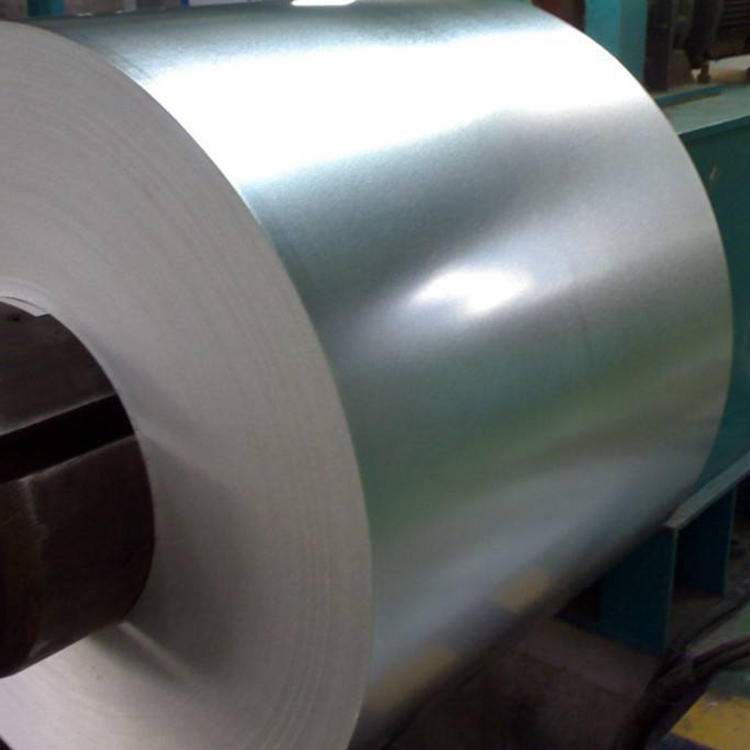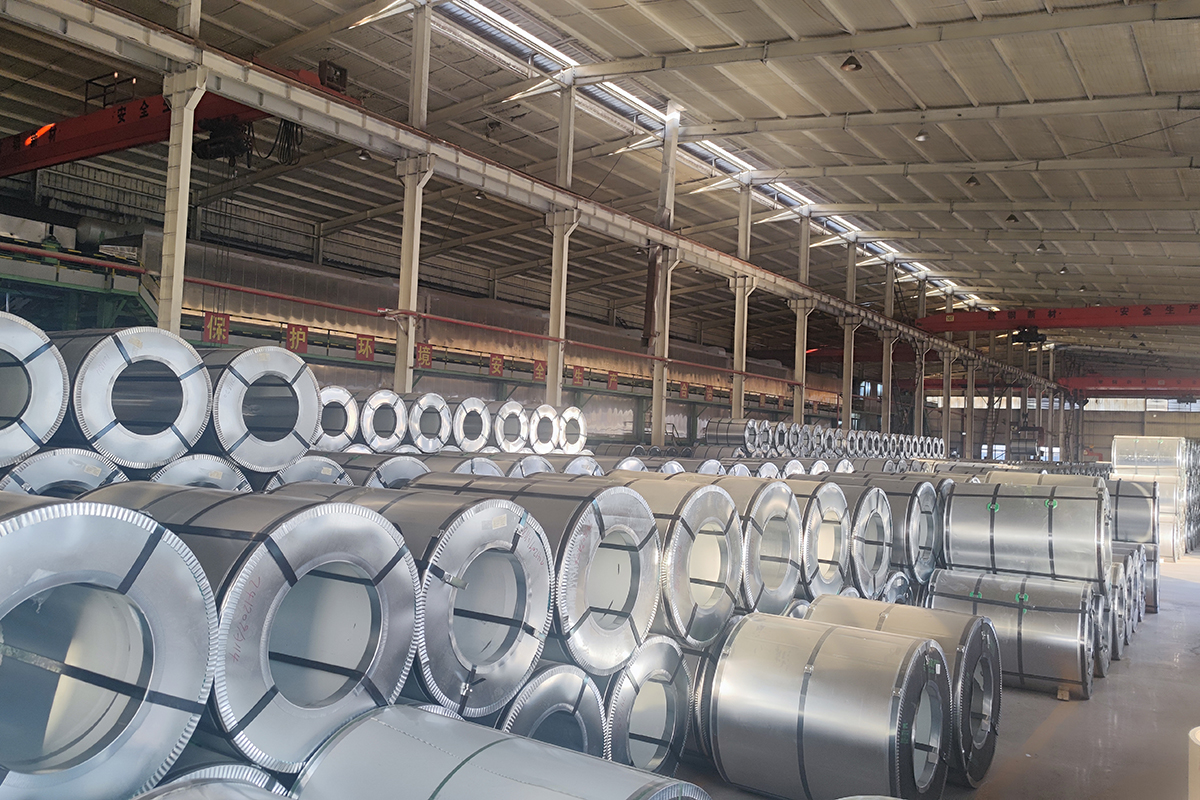
Malaysia’s steel sector is facing significant pressure due to US tariff policies and the influx of low-priced Chinese steel imports, despite the anticipated boost in demand from infrastructure projects and domestic policy measures, according to an analyst.
A recent report by CIMB Securities highlighted that the incoming US administration’s tariff policies could lead to short-term volatility in construction material prices, particularly for steel. However, the report suggests that Malaysia’s ongoing infrastructure projects are expected to stimulate steel demand starting in 2025. Additionally, it notes that China’s new stimulus measures could provide support to stabilize regional steel prices, particularly in Southeast Asia.
The report also draws attention to several domestic policy changes that could increase production costs for Malaysian steelmakers. These include the proposed carbon tax, the multi-tier levy system, and the requirement for foreign workers to contribute to the Employees’ Provident Fund (EPF). These policy shifts are expected to squeeze profit margins for local steel producers, who are already facing rising costs due to external pressures.
Chinese Steel Imports and Tariffs Escalation
One of the key challenges highlighted is the potential for a prolonged escalation of tariffs, which could redirect surplus Chinese steel to markets with weaker trade barriers, such as Malaysia. This could further exacerbate the competitive landscape for local steel producers. As Chinese steel mills face increasing difficulties in accessing established markets like the US and Europe, they may turn to Southeast Asia, including Malaysia, to offload their excess production.
CIMB predicts that local steel prices will likely experience volatility in the short term as mills pass on incremental costs to end users. However, the report forecasts that these prices should normalize in 2025, when steel demand is expected to stabilize due to domestic infrastructure investments and a clearer global market situation.
Domestic Measures and Carbon Tax
On the domestic front, the Malaysian government is considering the imposition of a carbon tax on imported steel, a move aimed at creating a level playing field for local producers and helping to fund the country’s green transition. This tax would be designed to reduce the competitive advantage of low-priced imports and encourage the use of more sustainable production methods.
Moreover, the Ministry of International Trade and Industry is preparing a report to address the challenges posed by China’s steel surplus, which is expected to increase steel trade flows to Southeast Asia. The report will focus on ASEAN’s steel production capacity, which is projected to double by 2026, reaching an annual capacity of 150 million tonnes.
Anti-Dumping and Protection Measures
To combat the growing influx of cheap steel imports, Malaysia has implemented several protectionist measures. Between 2015 and 2023, Malaysia enacted nine anti-dumping measures and three protective actions aimed at safeguarding its steel industry from the adverse effects of cheap Chinese steel. These measures include investigations into Chinese steel products and tariffs to counter unfair pricing practices.
Key Challenges:
- US tariff policies causing price volatility in construction materials.
- Low-priced Chinese steel imports challenging local producers.
- Rising production costs from domestic policy changes (carbon tax, EPF for foreign workers).
- Potential diversion of Chinese surplus steel to Malaysia due to weaker trade barriers.
- A carbon tax on steel imports to level the playing field and fund Malaysia’s green transition.
- Ongoing anti-dumping measures to protect against unfair competition from Chinese steel.