Cleanroom panels are integral to various industries that require strict control over their indoor environments, such as pharmaceuticals, food processing, electronics, aerospace, and scientific research. As modern technology progresses, cleanroom products have become essential to ensure hygiene, environmental control, and comfort. However, many people remain unclear about the differences between cleanroom panels and regular composite panels. This article will explore these differences and help you understand why cleanroom panels are often more expensive than standard composite panels.
Core Differences Between Cleanroom Panels and Regular Composite Panels
Cleanroom panels, due to their specialized application, require stricter production standards compared to regular composite panels. This results in higher costs, but the performance benefits they offer make them indispensable in certain fields.
- Material Standards
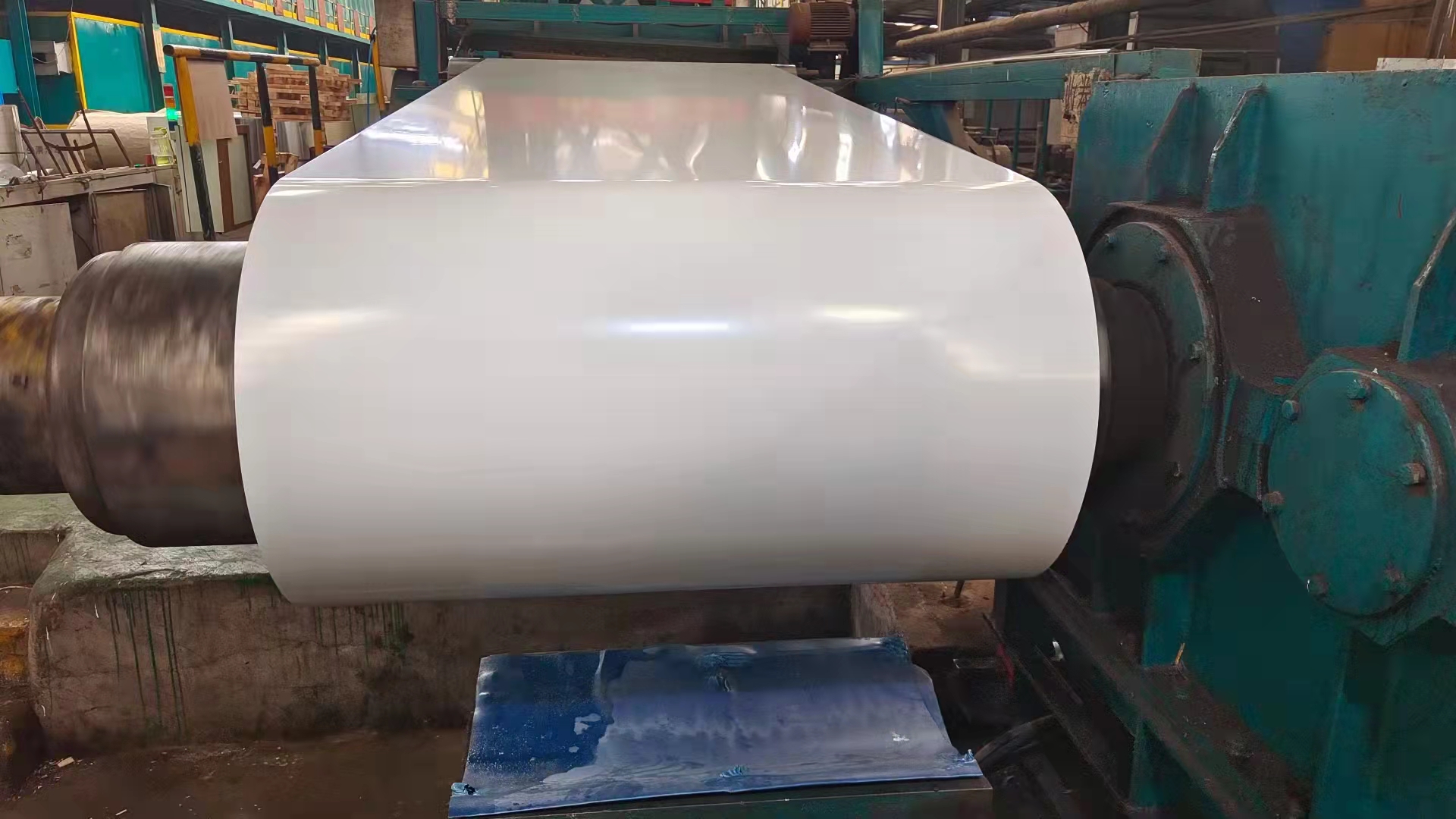
- Cleanroom Panels: The surface of cleanroom panels is typically smooth, with minimal color variation, and a thicker coating to ensure resistance to contamination. Materials such as color-coated steel are commonly used, with a focus on sterility and corrosion resistance.
- Composite Panels: These panels are often made using materials with less stringent surface smoothness and color consistency. The coatings are thinner compared to cleanroom panels, and consumer-grade materials may be used.
- Core Materials
- Cleanroom Panels: Cleanroom panels use strict material standards for their core. The materials used are selected for their high flatness and uniformity. Common core materials include glass magnesium grid, aluminum honeycomb, paper honeycomb, and polyurethane, all chosen for their high performance in cleanroom environments.
- Composite Panels: The core materials of composite panels include rock wool and fiberglass wool, which are mainly used for their fireproof and thermal insulation properties.
- Surface and Finish
- Cleanroom Panels: Cleanroom panels typically feature a smooth, flat surface with neat edges, providing a sterile environment with no gaps or seams. This is crucial for ensuring that the panels do not contribute to contamination.
- Composite Panels: The surface of composite panels may feature reinforced sections, and the seams or joints are not as tightly fitted as cleanroom panels, making them less effective in highly controlled environments.
- Types of Sandwich Panels: Mechanized vs. Manual
Cleanroom sandwich panels come in two types: mechanized and manual.- Mechanized Sandwich Panels: These are produced using machinery and typically feature core materials like polystyrene, rock wool, fiberglass, or polyurethane. They are easier to produce, which reduces their cost but also results in lower strength and durability.
- Manual Sandwich Panels: These panels are handcrafted and can include stronger core materials like glass magnesium or aluminum honeycomb. They are typically more expensive due to the labor-intensive process and higher material quality.
- Panel Types and Strength
- Mechanized Panels: Mechanized cleanroom panels tend to have a simpler, standardized design and are usually less strong, especially when made with rock wool. They are suitable for general applications but may not meet the more demanding fire resistance requirements in specific industries.
- Manual Panels: Manual cleanroom panels offer a variety of designs and are stronger due to the use of more robust materials and handcrafting methods. The edges of manual panels are reinforced with cold-rolled steel, improving their strength and resistance to wear.
- Fire Resistance
With increasing fire safety standards, mechanized sandwich panels often fall short of meeting the required fire resistance levels. Manual panels, on the other hand, can be designed to meet higher fire resistance standards, making them more suitable for applications that require strict fire safety compliance.
Conclusion
Cleanroom panels are essential in maintaining controlled environments across various industries. While mechanized panels offer a cost-effective solution, manual cleanroom panels provide superior strength, customization, and fire resistance, making them ideal for high-demand applications. Understanding the differences between these panel types will help you make the right choice for your project needs.