The Southeast Asia steel market is currently experiencing a period of weak yet steady prices, with both raw material and finished product prices fluctuating due to macroeconomic uncertainties. This price stability, however, masks the underlying market tension caused by the current global situation. Buyers are largely adopting a cautious, wait-and-see approach as they assess the impact of ongoing geopolitical events, global economic indicators, and the shifting dynamics of steel imports and exports in the region. Langzo Steel takes a closer look at the trends shaping the steel market in Southeast Asia and what they mean for trade in the coming months.
📉 Market Overview: A Waiting Game
The Southeast Asia steel market has been under pressure, with raw material prices and finished product prices holding steady but weak. This state of market equilibrium comes amid ongoing uncertainty surrounding global events such as the U.S. presidential elections 🇺🇸, the Federal Reserve’s monetary policy meetings 🏛️, and China’s political developments 🇨🇳. These factors are contributing to fluctuations in the global economy, impacting the steel market in Southeast Asia.
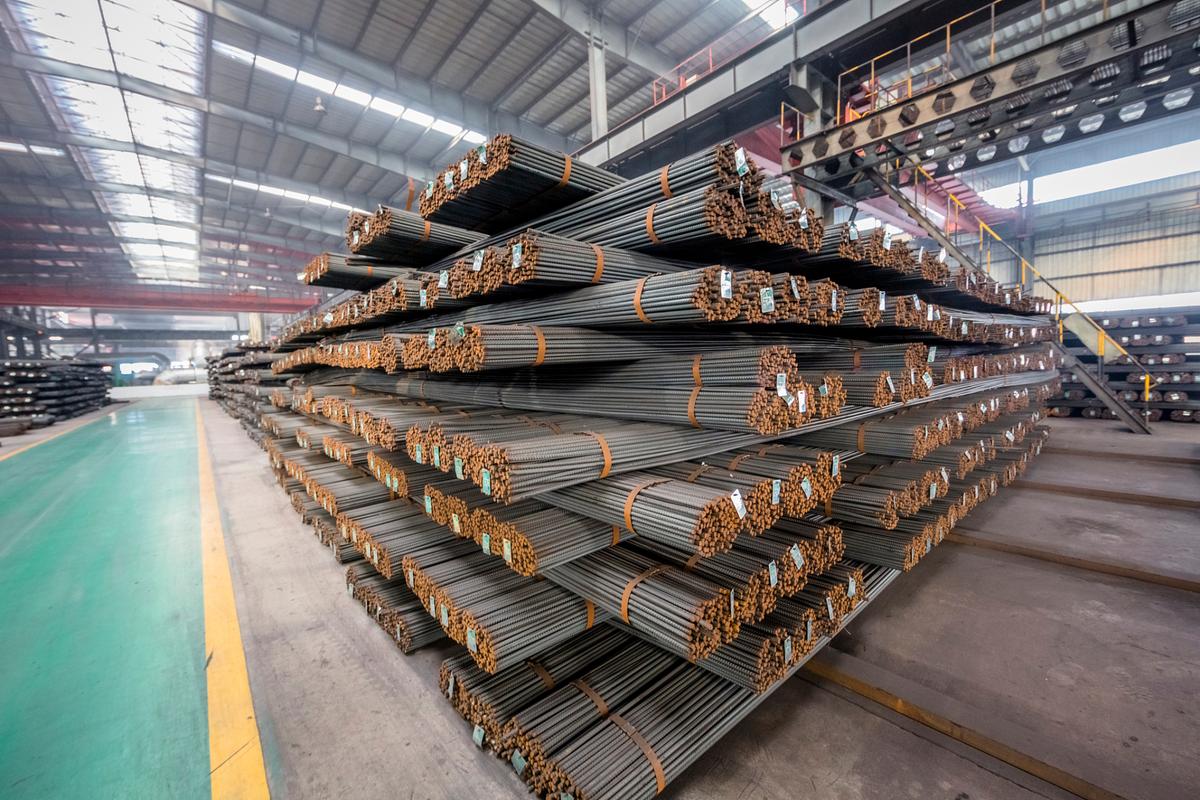
Langzo Steel notes that raw material prices, including billets, continue to hover around $480 per ton CFR for Southeast Asian imports, with slight declines observed in recent days. Billet prices, in particular, are sensitive to changes in supply and demand, and with steelmakers in the region adopting a wait-and-see approach, pricing has remained soft. At the same time, rebar prices have seen some stability at around $510 per ton CFR, while wire rod prices have been adjusted downward to $500 per ton. These figures reflect a minor dip of $5 per ton, but they still indicate a market under pressure.
📊 Flat Steel Segment Trends
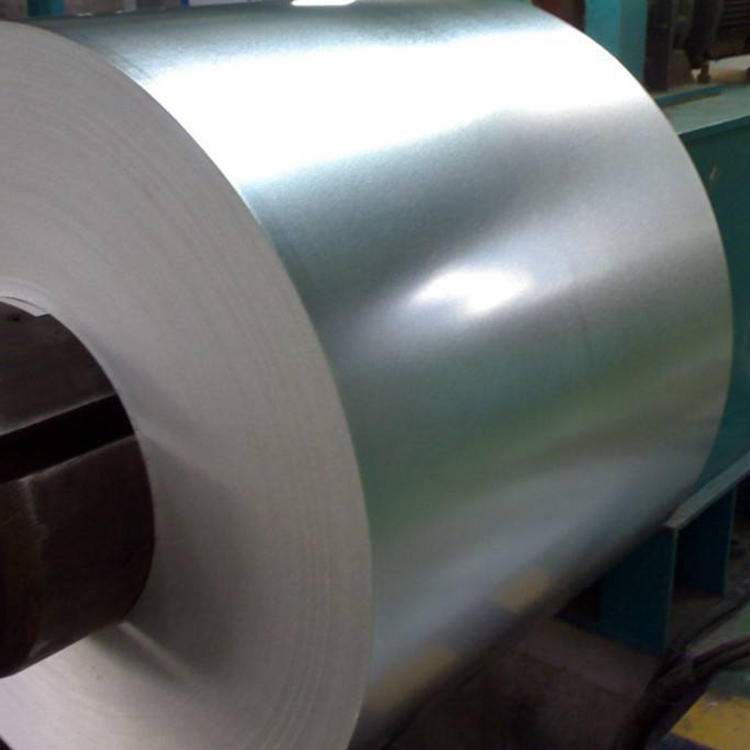
In the flat steel segment, hot rolled coil prices, particularly for SS400 3mm thickness, are estimated at around $509 per ton CFR, representing a slight decrease of $1 compared to previous days. However, market participants have expressed doubts over the stability of these prices, as they are heavily influenced by broader global events and economic indicators. While some Chinese mills 🇨🇳 have halted new quotes, waiting for further market clarity, trade volume remains subdued.
In Vietnam 🇻🇳, local traders have reported that despite price quotations from China, the actual value of these offers seems irrelevant given the current market outlook. This sentiment is echoed across the region, where steel traders remain on the sidelines, cautious of any drastic price changes or shifts in demand patterns that could occur depending on the outcome of the aforementioned global events.
🌍 Global Uncertainty and Its Impact on Southeast Asia
Langzo Steel emphasizes that, with such high levels of uncertainty in the market, the coming weeks will be critical in determining how Southeast Asia’s steel market adapts to evolving global conditions. Importers and exporters alike are looking to see how the broader economic trends, such as inflation rates, energy prices, and the geopolitical climate, will affect their business strategies moving forward.
Looking ahead, the steel market in Southeast Asia will likely continue to see steady yet weak pricing until global events provide clearer direction. In the meantime, market participants should remain flexible and ready to adjust their strategies according to market developments. While some buyers are still uncertain about the future, Langzo Steel remains committed to providing insights and solutions for navigating these challenging times in the steel industry.
📅 Conclusion: Staying Agile in a Fluctuating Market
The uncertainty surrounding the Southeast Asia steel market is a reminder of the complex nature of global trade and the interdependencies between supply, demand, and external factors. Buyers, traders, and steel mills will need to remain agile as they navigate the fluctuating prices of raw materials and finished products. Langzo Steel is dedicated to keeping clients informed about these dynamic market conditions and offering support for businesses in the region as they adapt to changing circumstances.