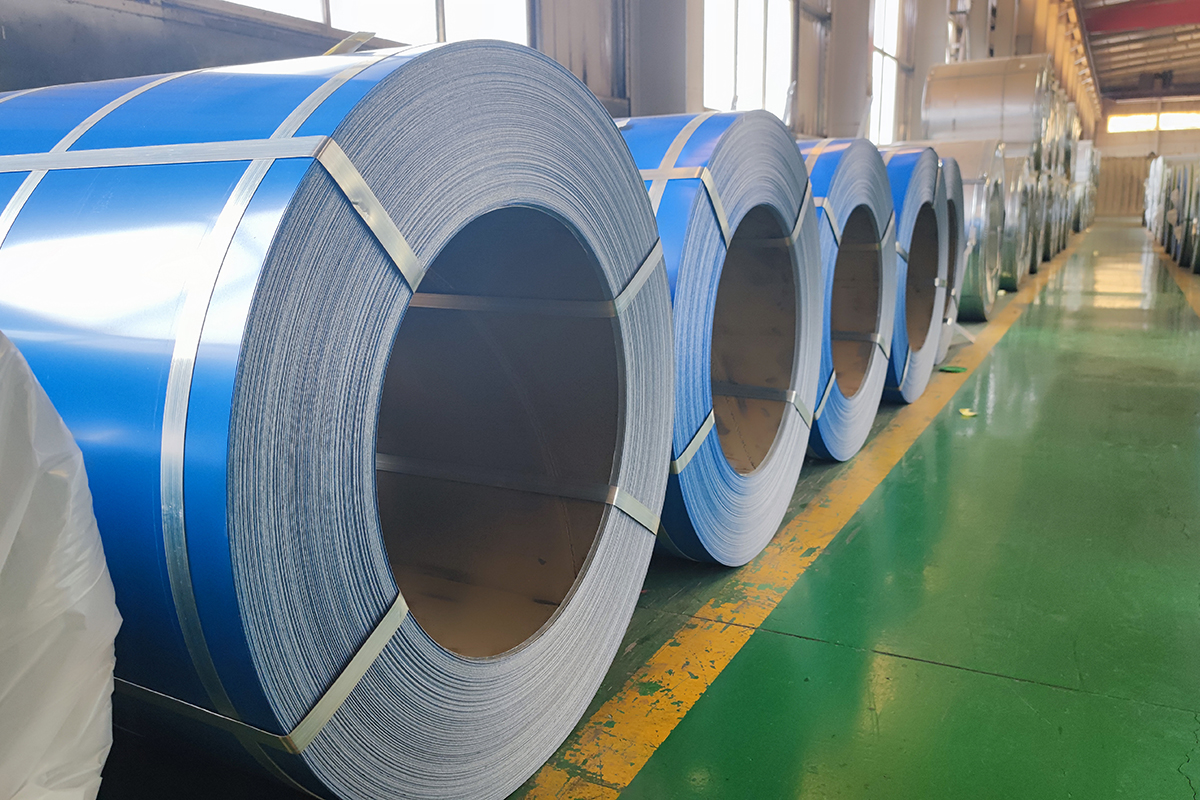
Cleanroom panels play a crucial role in various cleanroom and facility constructions. While these panels possess inherent moisture-resistant qualities, additional measures must be implemented in humid environments or specific weather conditions to ensure their long-term performance and stability. Below are key moisture prevention measures for cleanroom panels.
1. Temperature Control and Insulation Measures
Temperature variations can affect the moisture-resistant properties of cleanroom panels. Particularly when the weight of the color-coated steel roof is heavy, the temperature should not exceed high levels. If the temperature exceeds 200°C, it is necessary to protect the rock wool board. During installation, the spacing of insulation nails should adhere to installation standards, typically around 400mm, ensuring the stability of temperature and humidity during use.
2. Waterproof Treatment and Consideration of Construction Environment
The raw materials of color-coated cleanroom panels are prone to moisture absorption. Therefore, construction should avoid working in rainy conditions, especially during the rainy season and in humid weather. Except for silica rock panels, other types of cleanroom panels require special waterproof measures. During installation, it is essential to ensure that the materials are firmly connected to prevent moisture infiltration. Additionally, maintaining the proper functioning of the constant temperature and humidity system is crucial to stabilize the humidity and temperature within the room, preventing moisture from affecting the cleanroom panel’s performance.
3. Maintaining Proper Ventilation and Moisture Discharge
To prevent moisture accumulation in the cleanroom, proper ventilation must be maintained. When moisture enters the room, it should be discharged promptly to avoid long-term retention, which could degrade the moisture-resistant performance of the cleanroom panels. Additionally, maintaining moisture control within a cleanroom or dust-free room is essential. Even after the rainy season, although the climate may become drier, the increase in temperature can lead to microbial contamination. Therefore, moisture prevention measures should continue to be implemented, particularly when significant weather changes occur.
4. Pre-construction Environmental Inspection
Before construction, it is important to inspect the surrounding environment and minimize rainfall. Particularly before and after the rainy season, ensure the environment is dry and the temperature and humidity are appropriate to prevent moisture-resistant damage to the cleanroom panels during installation. To ensure the long-term stability of the panels, all these moisture prevention measures must be implemented in coordination to guarantee the panels’ reliability in various environments.
Conclusion
By controlling temperature, implementing waterproof measures, managing ventilation, and ensuring proper environmental conditions, cleanroom panels can be effectively protected from moisture and maintain their performance. During installation and maintenance, considering external environmental factors and ensuring stable indoor humidity and temperature are key to safeguarding the moisture resistance and cleanliness of the panels.