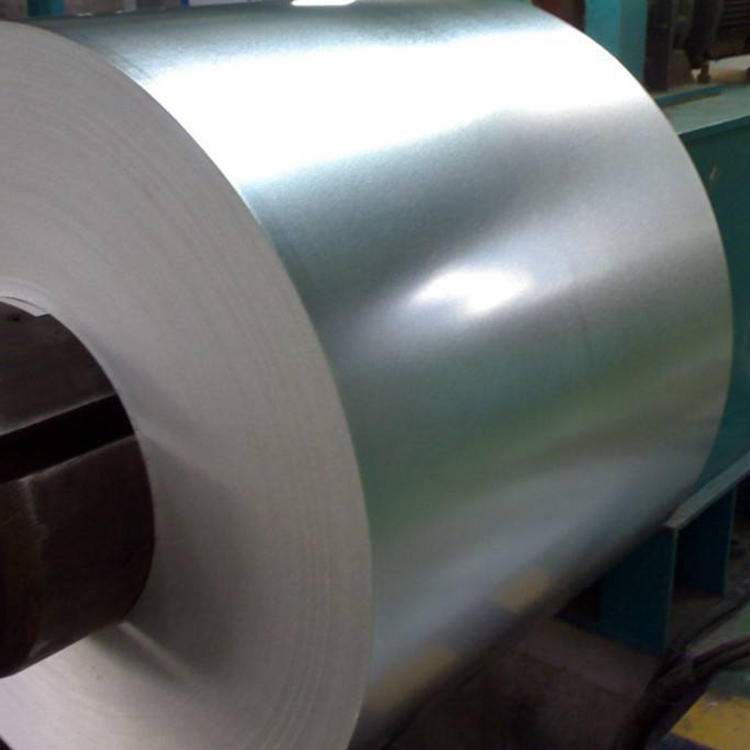
Aluzinc steel sheets, combining the superior properties of aluminum and zinc, are widely used in various industries such as construction, home appliances, and automotive manufacturing. However, the quality of Aluzinc sheets in the market varies significantly, making it essential for consumers and buyers to understand how to assess their quality.
1. Check Material Composition
The primary components of Aluzinc steel sheets are aluminum, zinc, and the steel substrate. It is crucial to examine the thickness of the Aluzinc alloy layer and the ratio of aluminum to zinc to ensure compliance with relevant standards. Generally, a thicker Aluzinc coating improves corrosion resistance. Additionally, the alloy composition affects the performance of the material—too much aluminum can reduce hardness, while excessive zinc can affect corrosion resistance.
2. Inspect Visual Quality
The appearance of Aluzinc sheets is a key indicator of quality. A high-quality Aluzinc sheet should have a smooth, uniform surface, free from noticeable scratches, bubbles, cracks, or other defects. The coating should be even and consistent, with no peeling or cracking. Additionally, the color of the Aluzinc sheet should be uniform without significant color variations, which can indicate issues with the coating process.
3. Test Physical Properties
Physical properties are critical indicators of Aluzinc sheet quality. These include tensile strength, yield strength, and elongation. These metrics reflect the mechanical performance and workability of the material. When purchasing, buyers can request physical performance test reports from the supplier or perform simple tensile tests to assess whether the Aluzinc sheet meets the required mechanical standards.
4. Examine Chemical Properties
Chemical properties are a key factor in determining the corrosion resistance of Aluzinc sheets. Important tests include salt spray resistance and resistance to acids and alkalis. A high-quality Aluzinc sheet should exhibit excellent corrosion resistance, maintaining stable performance even in harsh environments. Buyers can request chemical performance test reports or perform simple corrosion resistance tests, such as salt spray tests or acid-alkali immersion tests, to ensure the material meets the necessary standards.
5. Understand the Production Process
The production process significantly impacts the quality of Aluzinc sheets. High-quality Aluzinc sheets typically utilize advanced production techniques such as continuous hot-dip galvanizing or environmentally friendly surface treatment technologies. These methods help ensure the stability of the sheet’s surface quality and performance. Buyers should inquire about the supplier’s production process and technological capabilities to assess the reliability and quality of the products.
Conclusion
To assess the quality of Aluzinc steel sheets, it is essential to consider factors such as material composition, visual appearance, physical properties, chemical resistance, and production techniques. A thorough understanding of these aspects will help buyers select Aluzinc sheets that are both reliable and durable for use in various industrial applications.