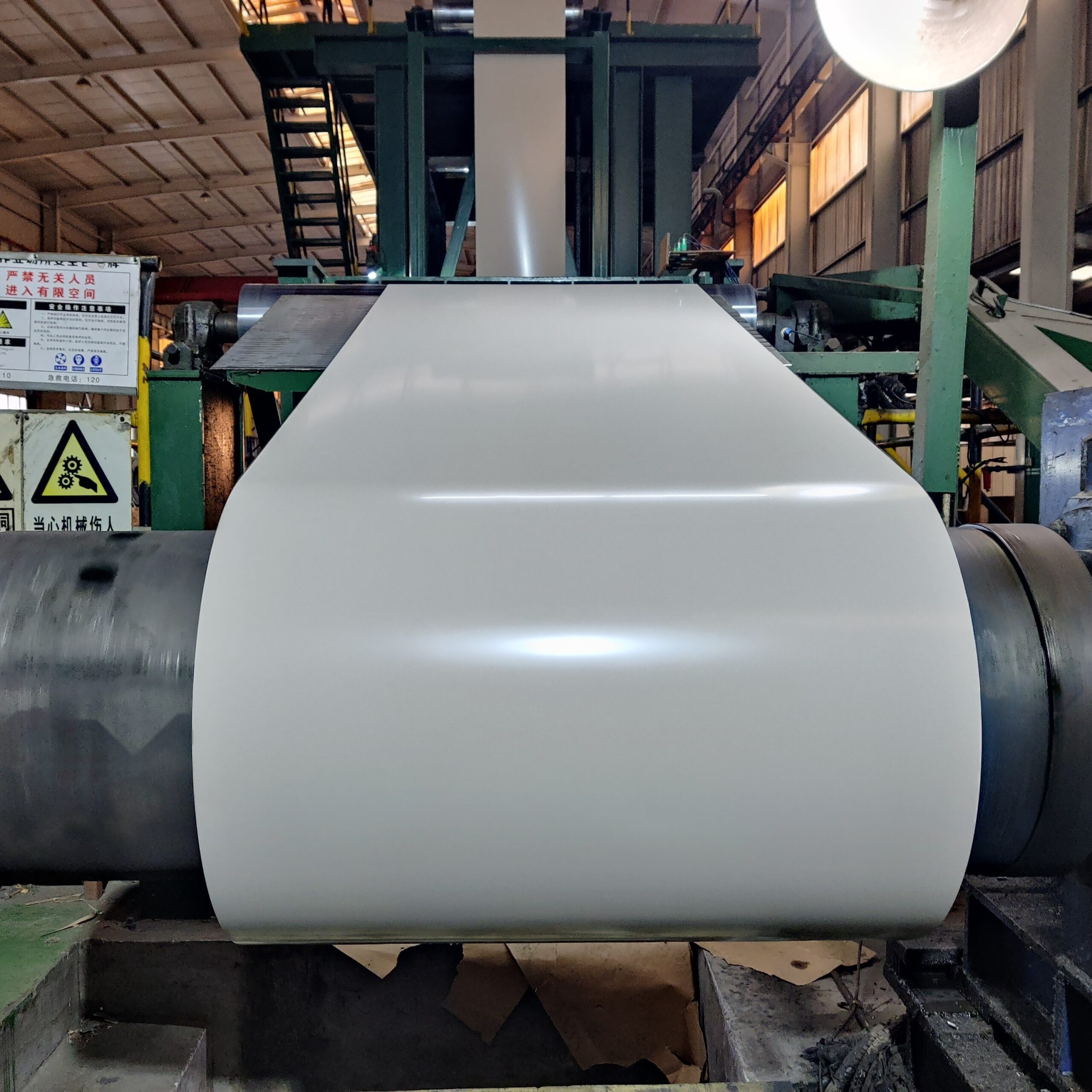
Galvanized steel is widely known for its exceptional corrosion resistance, which makes it a preferred material in various industries, including construction, automotive, and appliances. The corrosion resistance of galvanized steel is primarily due to the protective zinc coating applied to the surface of the steel. This coating acts as a barrier, preventing water and oxygen from reaching the steel surface, which would otherwise lead to rust and degradation. However, while galvanized steel offers good protection, it is important to understand the additional measures required to ensure long-lasting durability, especially in harsh environments.
Understanding the Corrosion Resistance of Galvanized Steel
The corrosion resistance of galvanized steel stems from the zinc coating that is bonded to the steel surface through the process of galvanization. This zinc layer acts as a sacrificial anode, meaning it corrodes before the steel underneath it does. In typical environments, galvanized steel can withstand corrosion for several years, making it an ideal material for outdoor and industrial applications. However, in extreme conditions such as high humidity, saltwater exposure, or chemical environments, the galvanized layer may wear down over time, potentially exposing the steel beneath it.
The Role of Protective Coatings and Primers
To enhance the corrosion resistance of galvanized steel, additional protective coatings, such as anti-corrosive primers and topcoats, are often applied. These coatings provide an extra layer of protection, preventing moisture and other corrosive elements from penetrating the surface. The application of a suitable primer ensures better adhesion of the paint or topcoat, which improves the overall durability of the galvanized steel. A high-quality primer also helps seal the steel, making it more resistant to the elements.
Surface Preparation for Effective Coating
Before applying any protective coatings, surface preparation is essential. The galvanized steel surface must be cleaned thoroughly to remove any oil, grease, or dust, as these contaminants can affect the adhesion of the coating. After cleaning, the galvanized surface is treated with an appropriate primer. This treatment helps the coating bond more effectively to the steel and provides additional corrosion protection. Proper surface preparation not only improves the longevity of the coatings but also ensures that the galvanized steel continues to perform at its best under demanding conditions.
Key Applications of Galvanized Steel
Galvanized steel is commonly used in industries where long-term corrosion resistance is crucial. It is a staple in construction for roofing, siding, and structural components, especially in areas exposed to harsh weather. Additionally, galvanized steel is found in automotive components, outdoor furniture, and electrical systems, where its resistance to rust and corrosion is essential for maintaining safety and functionality.
Conclusion
In conclusion, galvanized steel offers excellent corrosion resistance, making it a reliable material for a variety of applications. However, its effectiveness can be further enhanced through the use of protective coatings and proper surface preparation. By understanding the strengths and limitations of galvanized steel, and taking proactive measures to protect it, businesses can ensure the longevity and performance of their steel components.