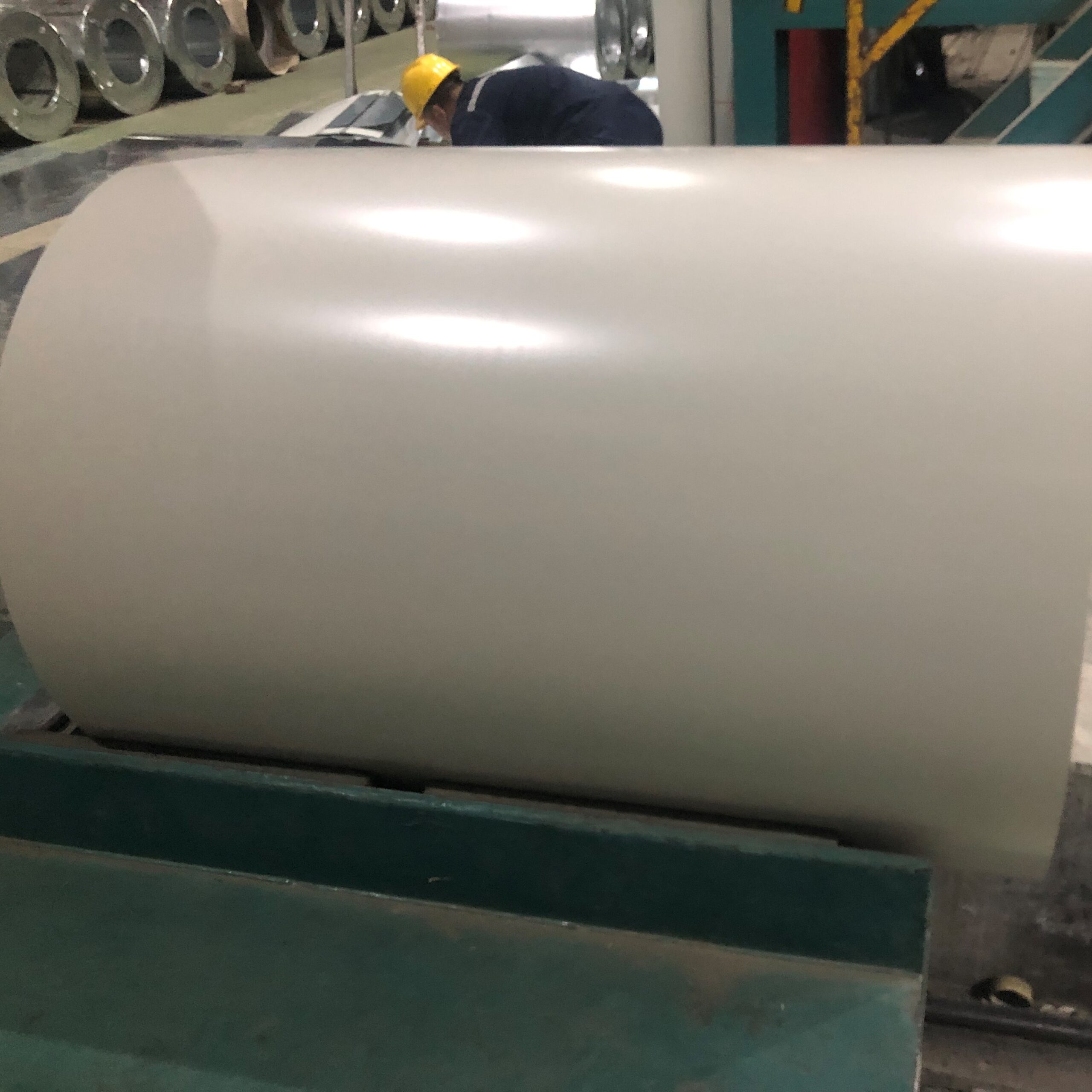
Cleanroom panels are widely used in industries such as food processing, pharmaceuticals, and electronics, where maintaining a dust-free environment is critical. Known for their ability to prevent dust generation, cleanroom panels are typically made from composite materials, combining a core material with a surface layer of colored steel plates. The type of core material used influences both the performance and manufacturing process of the panels. Below are five common types of cleanroom panels and their applications:
1. Fire-resistant Paper Honeycomb Cleanroom Panel
These panels have a core made from fire-resistant paper and are covered with colored steel or stainless steel sheets. The fire resistance rating is B1, meaning the material carbonizes but does not burn. These panels offer high rigidity, strong load-bearing capacity, and excellent heat and sound insulation. They are commonly used in environments where fire safety is critical, offering strong flame-retardant properties without toxic components.
2. Glass Magnesium Fire-resistant Paper Honeycomb Cleanroom Panel
This panel type is made from non-combustible materials, providing high fire resistance and excellent compressive strength. The smooth finish and durability of the glass magnesium core make it ideal for cleanroom applications. It is an effective choice for environments that require high fire resistance and long-lasting performance.
3. Rock Wool Cleanroom Panel
Rock wool cleanroom panels feature a rock wool core sandwiched between layers of colored steel plates. Known for their exceptional fire resistance, these panels are often used in laboratories and other high-temperature environments. In addition to fire protection, rock wool panels offer excellent sound insulation and are durable in various demanding environments.
4. Glass Wool Cleanroom Panel
Glass wool panels are smooth in appearance and offer excellent fire resistance. They do not melt when exposed to high temperatures and do not decompose. Glass wool panels are widely used in cleanrooms that require a smooth, dust-resistant surface, and they are especially effective in environments such as hospital operating rooms and laboratories where cleanliness and durability are paramount.
5. Paper Honeycomb Cleanroom Panel
These panels use a paper honeycomb core, which is bonded with steel plates on both sides and framed with cold-drawn profiles. Paper honeycomb panels are commonly used in ceiling systems, partition walls, and other areas of cleanrooms. Their smooth surface, combined with strong structural integrity, makes them an ideal choice for environments that require high cleanliness and minimal dust accumulation.
Conclusion
Cleanroom panels are essential components for maintaining stringent cleanliness standards in various industries, including pharmaceuticals, food processing, and electronics. The different types of panels, such as fire-resistant paper honeycomb and rock wool panels, offer unique benefits depending on the specific requirements of the environment. By understanding the characteristics and applications of each type, businesses can choose the most suitable cleanroom panels to meet their operational needs.