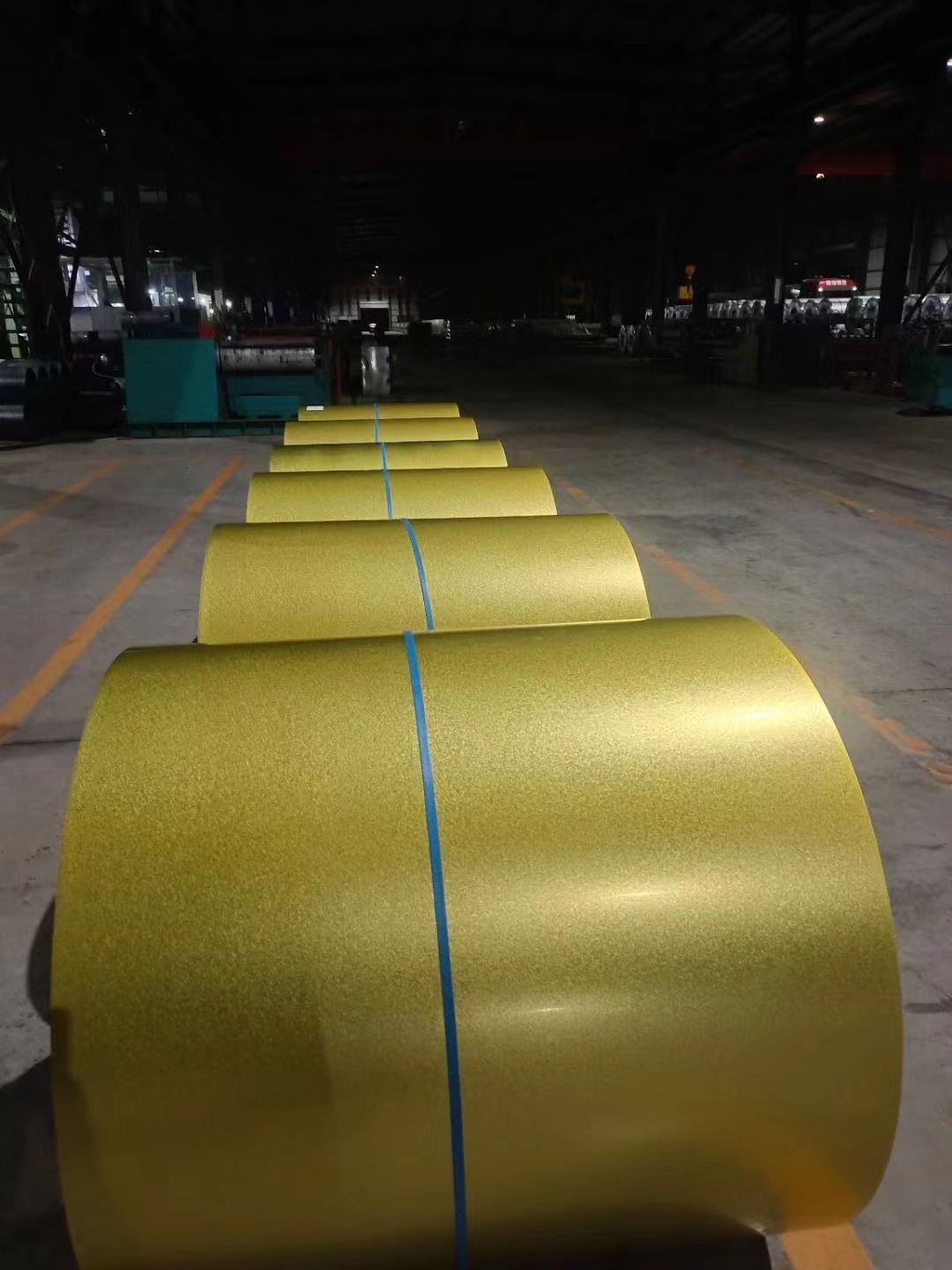
Laboratory clean panels are specialized building materials used in laboratory construction and renovation. These panels have several distinctive features that make them ideal for use in controlled environments like laboratories. Below are some of the key characteristics.
1. High Purification Efficiency
One of the main features of laboratory clean panels is their high purification capability. These panels are designed to effectively filter airborne pollutants such as dust, bacteria, and harmful gases, providing a clean and safe working environment. They are typically made from high-efficiency filtration materials, offering excellent filtration performance and low resistance, which meet the stringent air quality requirements of laboratories.
2. Corrosion Resistance
Laboratory clean panels are usually made from corrosion-resistant materials such as stainless steel or aluminum alloy. These materials can withstand the corrosive substances commonly found in laboratories, such as acids and alkalis. This ensures a long service life for the panels, reducing the frequency of maintenance and replacements.
3. Fire Resistance
Laboratory clean panels are designed to have high fire resistance. They are often constructed from fire-retardant materials that prevent the spread of flames in the event of a fire. With a high fire resistance rating, these panels provide an essential layer of safety for laboratories, protecting both the building and the people working inside.
4. Easy to Clean
The smooth and flat surface of laboratory clean panels makes them easy to clean and disinfect. These panels are resistant to chemical agents and can be cleaned with standard cleaning agents without deteriorating. This feature is crucial in maintaining a hygienic environment in laboratories, where contamination must be minimized.
5. Abrasion Resistance
Laboratory clean panels have a high level of abrasion resistance, making them durable in environments where frequent use and contact may occur. These panels are typically made from high-hardness materials that resist wear and tear, keeping the surfaces smooth and visually appealing over time, even under heavy usage.
6. Anti-static Properties
Laboratory clean panels are often equipped with anti-static properties, which prevent the buildup of static electricity. This is crucial in laboratories where electrostatic interference can affect sensitive equipment and research results. By reducing static accumulation, these panels ensure that laboratory experiments are conducted with accuracy and reliability.
Conclusion
In summary, laboratory clean panels are characterized by their high purification efficiency, corrosion resistance, fire resistance, ease of cleaning, abrasion resistance, and anti-static properties. These features make them indispensable in laboratory construction, providing a clean, safe, and efficient working environment. Choosing the right clean panels is vital for ensuring the proper functioning of laboratories and the accuracy of experimental results.