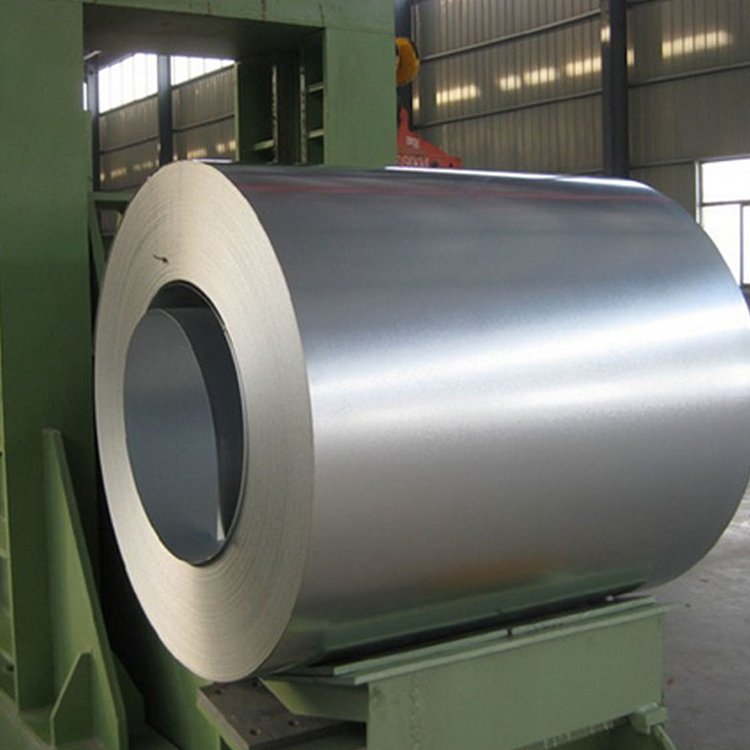
Galvanized steel sheets are widely recognized for their excellent corrosion resistance and durability, making them a preferred material for a variety of applications in construction, manufacturing, and other industries. However, when used outdoors, galvanized sheets are exposed to various environmental factors that can affect their performance and lifespan. To ensure their effectiveness, it is essential to understand and manage these factors.
1. Humidity and Corrosion
The primary corrosion protection mechanism of galvanized steel sheets lies in the zinc coating, which forms a dense oxide layer that isolates the metal from moisture and oxygen. However, in environments with high humidity, water can react with the zinc layer, leading to corrosion and compromising the material’s protective capabilities. When using galvanized steel outdoors, controlling humidity levels is crucial to prevent prolonged exposure to damp conditions, which could accelerate corrosion.
2. Temperature and Thermal Expansion
Outdoor temperatures can fluctuate significantly, especially in areas with wide temperature variations between day and night. These temperature changes can cause galvanized steel sheets to expand and contract, leading to deformation or cracking. This not only affects the aesthetic appearance but can also damage the zinc coating, reducing its corrosion resistance. When selecting galvanized steel for outdoor use, it is important to consider the temperature range of the environment and take appropriate measures to minimize the effects of thermal expansion.
3. UV Radiation and Sunlight
Prolonged exposure to ultraviolet (UV) radiation and intense sunlight can also degrade galvanized steel sheets. UV radiation accelerates the oxidation process on the surface of the material, while direct sunlight can raise the surface temperature, hastening the aging of the galvanized coating. To protect galvanized steel sheets from these effects, it is advisable to avoid prolonged exposure to direct sunlight or use materials with better weather resistance for outdoor applications.
4. Pollution and Cleaning
Outdoor environments often contain pollutants such as acid rain, dust, and other contaminants that can corrode and dirty the surface of galvanized steel sheets. Regular cleaning and maintenance are essential to keep the surface clean and dry, thus ensuring the material’s long-lasting performance. Additionally, when selecting galvanized steel sheets, consider choosing materials with superior pollution resistance to enhance their durability in polluted environments.
5. Mechanical Damage and Protection
Mechanical damage, such as impacts or scratches, can also occur in outdoor settings and can damage the zinc coating, reducing its protective properties. To minimize the impact of mechanical damage, protective measures should be implemented, such as installing protective barriers or using wear-resistant materials to shield the galvanized sheets from potential damage.
Conclusion
When using galvanized steel sheets outdoors, it is important to be mindful of factors such as humidity, temperature fluctuations, UV exposure, pollution, and mechanical damage. By understanding and addressing these factors through appropriate measures and regular maintenance, you can ensure that galvanized steel sheets perform well and maintain their durability in outdoor environments.