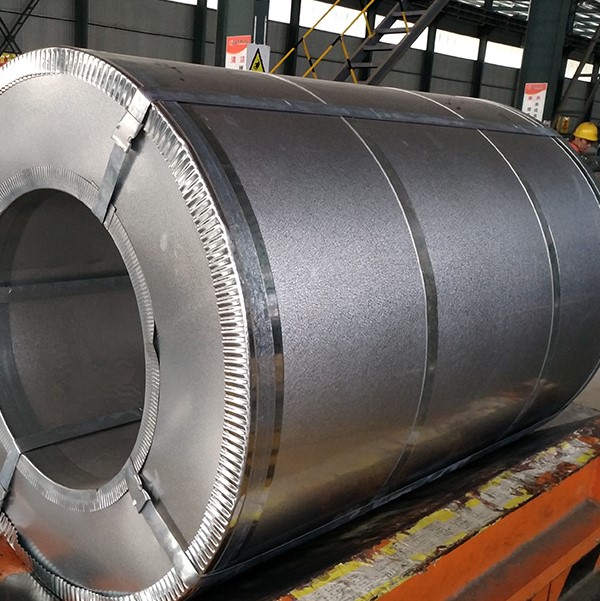
Galvalume steel sheets have become an essential material in various industries such as construction, home appliances, automotive, and aerospace due to their exceptional corrosion resistance and multifunctionality. However, the price of galvalume steel is not fixed and fluctuates based on several factors. This article explores the primary factors that influence the price of galvalume steel sheets, including raw material costs, production processes, market supply and demand, international trade policies, and environmental regulations.
1. Raw Material Costs
The price of galvalume steel is largely influenced by the cost of raw materials, particularly aluminum, zinc, and steel. These materials account for a significant portion of the total production cost of galvalume sheets. Fluctuations in global market prices, mining costs, and transportation fees can all affect the cost of raw materials, thereby influencing the price of the final product. For example, if the price of zinc or aluminum rises due to supply shortages or increased demand, the price of galvalume steel sheets will likely increase as well.
2. Production Processes
The production technology and equipment used to manufacture galvalume steel also impact its price. Advanced manufacturing techniques, such as continuous hot-dip coating, improve production efficiency and product quality, which can help reduce costs in the long term. However, the initial investment required for state-of-the-art machinery and technology can increase production costs. Additionally, the complexity of the manufacturing process plays a role in determining the price; more intricate and labor-intensive processes generally lead to higher costs.
3. Market Supply and Demand
Supply and demand are fundamental drivers of price changes in any market, including galvalume steel. When demand exceeds supply, the price of galvalume steel sheets rises as manufacturers and suppliers capitalize on the scarcity of the material. Conversely, if supply surpasses demand, prices tend to fall. Competition within the market also affects prices. In markets where competition is intense, prices may decrease as companies vie for market share, while in less competitive markets, prices may increase due to limited options.
4. International Trade Policies
International trade policies can have a significant impact on the price of galvalume steel sheets, especially regarding tariffs, exchange rates, and trade barriers. When tariffs on galvalume imports rise, the overall cost of the product increases, which is passed on to consumers. Similarly, fluctuations in exchange rates can alter export prices, influencing domestic prices. Trade barriers, such as quotas or restrictions on imports, can limit the availability of galvalume steel in certain regions, leading to price increases in affected markets.
5. Environmental Regulations
With growing awareness of environmental protection, stricter regulations are being imposed on industries that are high in pollution or energy consumption, including the production of galvalume steel. Manufacturers are required to invest in environmentally friendly production technologies and pollution control systems, which come at a significant cost. These additional environmental compliance costs often translate into higher production costs, which, in turn, raise the price of galvalume steel sheets.
Conclusion
The price of galvalume steel is influenced by various interconnected factors, including raw material costs, production processes, market dynamics, international trade policies, and environmental regulations. These factors collectively determine the final price in the market. As the global economy evolves and environmental regulations become stricter, the factors affecting the price of galvalume steel will continue to become more complex. Industry stakeholders must stay informed about market trends and policy changes to adjust their strategies accordingly and manage the impact of price fluctuations.