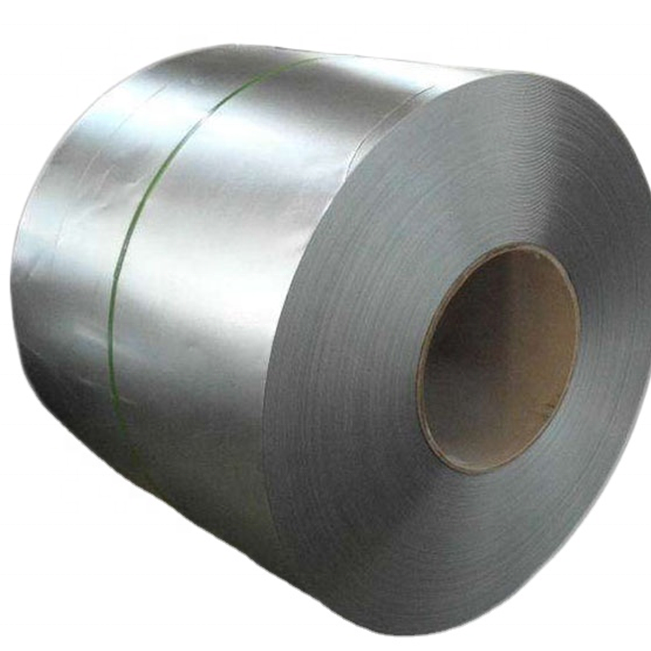
Galvanized steel sheets and galvalume steel sheets are two common types of metal surface treatments, each offering distinct properties, performance, and applications. Below is a comparison of the two materials based on several key factors.
1. Corrosion Resistance
- Galvanized Steel Sheets:
- Advantages: Galvanized steel has strong corrosion resistance, making it resistant to rust in normal environmental conditions. Its service life typically ranges from 10 to 20 years.
- Disadvantages: In harsh environments, such as industrial areas or coastal regions, its corrosion resistance can be reduced, increasing the likelihood of rust formation.
- Galvalume Steel Sheets:
- Advantages: Galvalume steel offers superior corrosion resistance compared to galvanized steel. It features a dense aluminum oxide film on its surface, providing excellent protection against atmospheric and corrosive substances.
- Disadvantages: Galvalume steel is generally more expensive than galvanized steel due to its enhanced performance.
2. Appearance
- Galvanized Steel Sheets:
- The appearance of galvanized steel is relatively simple, with a primary silver-white color. The surface texture tends to be more coarse.
- Galvalume Steel Sheets:
- Galvalume steel has a more aesthetically pleasing appearance, with a finer silver-white color and a higher gloss finish, making it more visually appealing.
3. Heat Processing Performance
- Galvanized Steel Sheets:
- Galvanized steel has good heat processing performance. It is suitable for bending, welding, and other processing techniques without cracking or bubbling issues.
- Galvalume Steel Sheets:
- Galvalume steel’s heat processing performance is relatively poor. During bending or welding, it is essential to carefully control the operation method and temperature to avoid cracks and bubbles.
4. Application Fields
- Galvanized Steel Sheets:
- Galvanized steel is widely used in various industries, including construction, home appliances, and automotive manufacturing. It is often used for roofing, walls, ceilings, floors, and components in vehicles and appliances.
- Galvalume Steel Sheets:
- Galvalume steel has a broader range of applications. In addition to the construction and home appliance industries, it is also used in the petrochemical, aerospace, and other high-performance sectors. Due to its superior corrosion resistance and aesthetic qualities, it is often used for decorative materials and equipment housings.
5. Environmental Friendliness
- Galvanized Steel Sheets:
- The production of galvanized steel results in a certain amount of wastewater and exhaust gases, which can impact the environment. However, advancements in production processes have made the production of galvanized steel more environmentally friendly.
- Galvalume Steel Sheets:
- Galvalume steel has a higher environmental profile. Its manufacturing process uses more eco-friendly materials and techniques, causing less environmental impact. Additionally, Galvalume steel can be recycled after use, contributing to resource conservation and environmental protection.
Conclusion
While both galvanized steel and galvalume steel offer advantages, the choice between the two largely depends on the specific requirements of the project. Galvalume steel provides superior corrosion resistance and a more appealing appearance but comes at a higher cost, while galvanized steel offers good performance for less demanding environments and is more cost-effective.