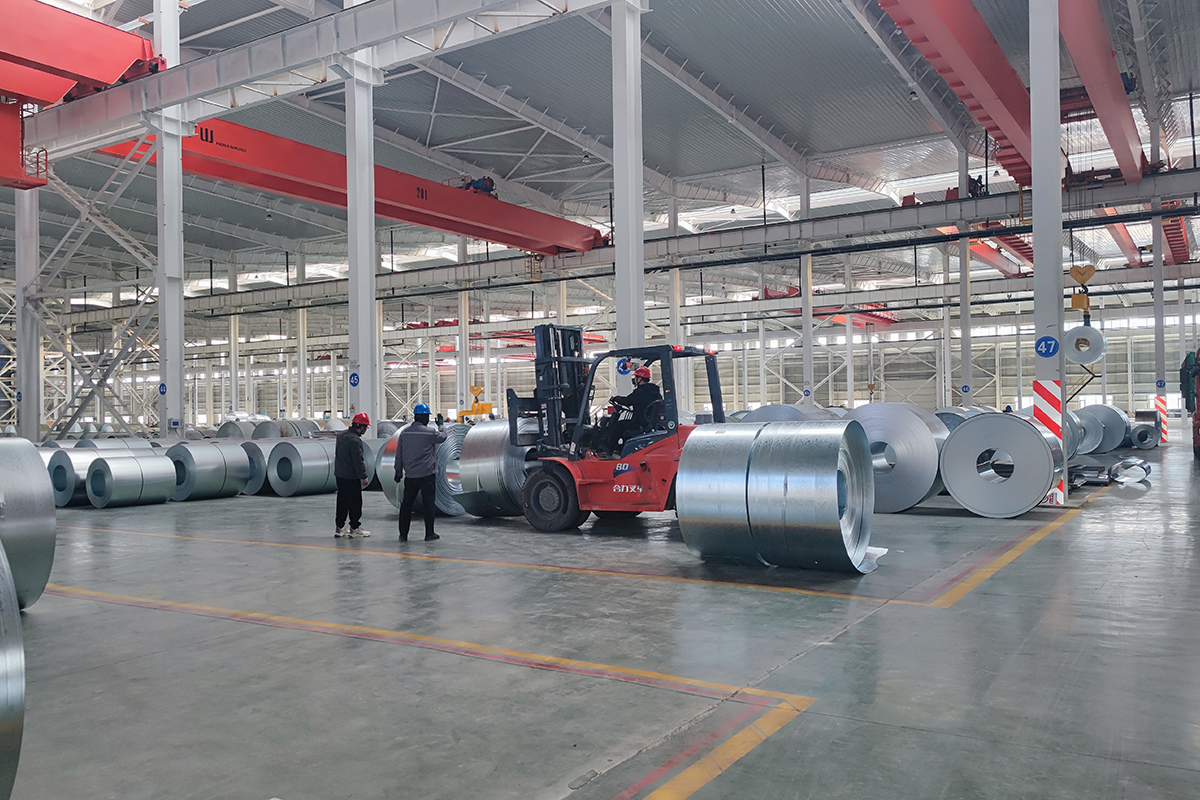
Galvalume steel and stainless steel are both popular materials in various industries, but they differ significantly in terms of composition, processing, and applications. Understanding these differences can help you choose the right material for your specific needs.
1. Concept and Composition
Galvalume Steel: Galvalume steel is a type of steel coated with a combination of aluminum and zinc, typically in a ratio of 55% aluminum to 45% zinc. This coating is designed to protect the steel from corrosion, increasing its lifespan. The primary advantage of galvalume steel is its corrosion resistance due to the protective layer that shields the steel from environmental factors.
Stainless Steel: Stainless steel, on the other hand, is made by alloying steel with other elements, primarily chromium, which provides the steel with resistance to rust and corrosion. Stainless steel is often found in different forms such as chrome steel, nickel-chromium steel, and chromium-manganese-nitrogen steel, each offering different levels of corrosion resistance. It is recognized for its durability and ability to withstand various harsh environments.
2. Processing Methods
Galvalume Steel: The process of manufacturing galvalume steel involves coating the steel sheet with a layer of aluminum-zinc alloy. This layer helps protect the steel from corrosion. The coating is typically smooth and has a honeycomb structure on the surface due to the aluminum’s composition. However, once the coating is damaged, such as at a cut edge, the protective properties are lost, and corrosion may begin.
Stainless Steel: Stainless steel, unlike galvalume, is created through an internal alloying process. Elements like chromium are added directly to the steel, altering its molecular structure and preventing corrosion. Stainless steel has a smooth surface finish, and its resistance to corrosion is inherent in the metal itself, not just on the surface.
3. Applications
Galvalume Steel: Galvalume steel is widely used in construction, light industries, automotive manufacturing, agriculture, and other sectors where corrosion resistance is essential but not as critical as for stainless steel. Common uses include roofing materials, automotive parts, household appliances, and air conditioning units.
Stainless Steel: Stainless steel is commonly used in fields where high strength and corrosion resistance are crucial, such as in construction, food processing, pharmaceuticals, and chemical industries. It is also widely used in kitchen equipment, medical instruments, and architectural designs due to its aesthetic appeal and durability.
4. Surface Appearance
Galvalume Steel: Galvalume steel typically has a slightly white surface with small zinc flowers, which is due to the zinc coating. The surface finish is less smooth compared to stainless steel, and it is often used for industrial or commercial purposes where aesthetics are less critical.
Stainless Steel: Stainless steel is renowned for its smooth, polished surface, which often has a shiny or brushed finish. The surface is clean, uniform, and visually appealing, making it ideal for both functional and decorative uses, especially in high-end products.
Conclusion
While both galvalume steel and stainless steel offer strong resistance to corrosion, they are designed for different uses and environments. Galvalume steel is more suitable for applications where moderate corrosion protection is needed, and cost efficiency is important. Stainless steel, however, is more durable, resistant to rust, and ideal for applications where strength, aesthetic appeal, and longevity are critical.