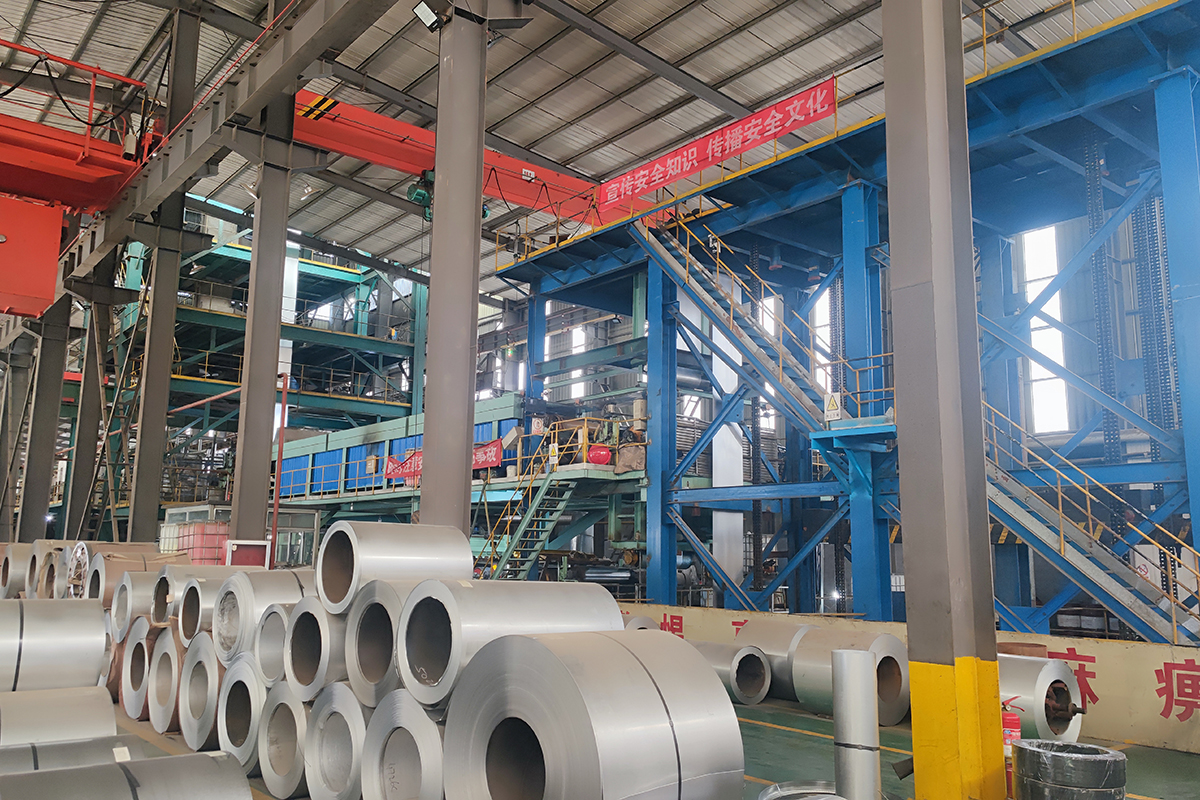
When selecting the appropriate coating for aluminum-zinc coated steel, it is essential to consider the performance characteristics to match the specific environmental conditions and requirements. The coating plays a critical role in the steel’s overall durability and functionality. Below are some key performance indicators for coatings and their various applications.
Key Performance Indicators of Aluminum-Zinc Coatings
Corrosion Resistance
Corrosion resistance is one of the most crucial factors when choosing a coating for aluminum-zinc coated steel. It directly influences the material’s lifespan and maintenance intervals. Zinc-aluminum alloy coatings typically offer superior corrosion resistance compared to pure aluminum-zinc coatings, which have slightly lower corrosion resistance but are still highly effective in protecting against environmental wear.
Heat Resistance
Heat resistance refers to the coating’s ability to maintain its properties in high-temperature environments. Zinc-aluminum alloy coatings and silicon-modified zinc-aluminum alloy coatings generally exhibit better heat resistance compared to pure aluminum-zinc coatings, making them suitable for industries requiring high-temperature endurance.
UV Resistance
The ability to resist ultraviolet (UV) radiation is vital for applications exposed to direct sunlight. Zinc-magnesium-aluminum alloy coatings offer excellent UV resistance, making them ideal for outdoor applications where prolonged exposure to sunlight is common.
Wear Resistance
Wear resistance is the coating’s ability to withstand abrasion and physical stress. Silicon-modified zinc-aluminum alloy coatings are known for their high wear resistance, making them ideal for applications where physical durability is critical.
Applications of Aluminum-Zinc Coated Steel Coatings
The selection of the coating type also depends on the specific application environment and requirements. Below are some common application scenarios:
Construction Industry
In the construction industry, aluminum-zinc coated steel is mainly used for roofing, walls, and ceilings. As these materials are exposed to harsh outdoor conditions, it is crucial that the coatings offer excellent corrosion resistance and UV protection. Zinc-aluminum and zinc-magnesium-aluminum alloy coatings are well-suited for these applications due to their robust resistance to environmental degradation and UV rays.
Furniture Industry
In the furniture industry, aluminum-zinc coated steel is used to create the outer shells and doors of furniture. Since these materials are used indoors, the primary concerns are aesthetic appeal and corrosion resistance. Aluminum-zinc and silicon-modified zinc-aluminum alloy coatings are preferred for these applications, as they offer a good balance of aesthetics and durability.
Automotive Industry
Aluminum-zinc coated steel plays a significant role in the automotive industry, where it is used for components like car bodies and doors. Automotive applications require coatings that can withstand long-term outdoor exposure, so excellent corrosion resistance and UV protection are essential. Zinc-aluminum and zinc-magnesium-aluminum alloy coatings are ideal for automotive parts, providing protection against corrosion while maintaining a glossy finish.
Conclusion
When selecting the right coating for aluminum-zinc coated steel, it is essential to choose based on the specific environmental conditions and performance requirements of the application. Zinc-aluminum coatings provide excellent corrosion resistance and heat resistance, making them suitable for a wide range of industries. Zinc-magnesium-aluminum coatings excel in UV resistance, while silicon-modified zinc-aluminum coatings offer superior wear resistance. By carefully selecting the right coating, aluminum-zinc coated steel can deliver enhanced durability and performance for various applications, from construction to automotive and furniture.