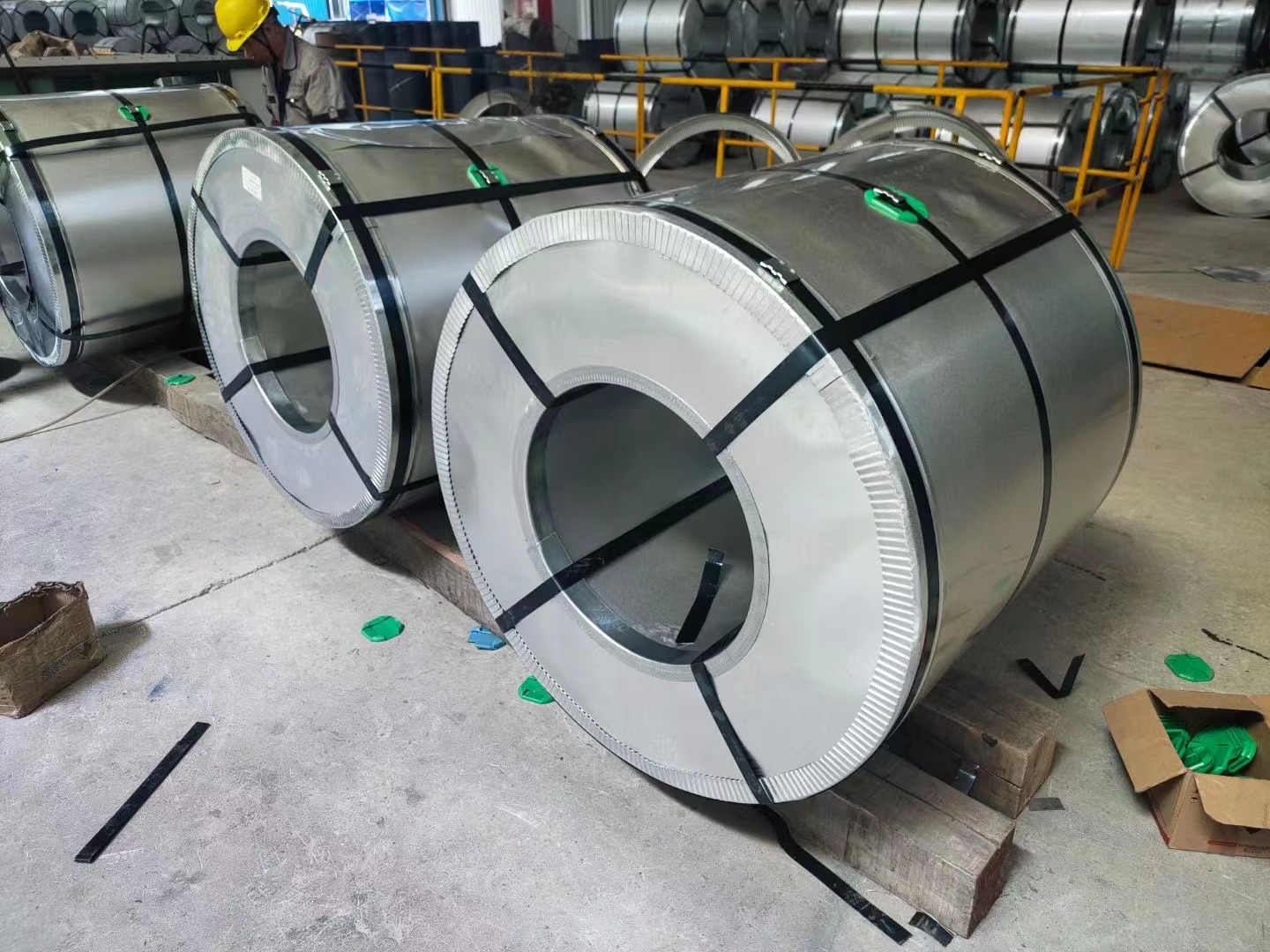
Galvalume steel and stainless steel are two commonly used metals in industrial production and everyday life, each with distinct properties and applications. While they share some similarities, there are significant differences between them.
Composition and Properties
Galvalume steel is primarily composed of aluminum and zinc. It undergoes a hot-dip process, where a coating of aluminum-zinc alloy is applied to the steel substrate. This coating provides excellent corrosion resistance, wear resistance, and aesthetic appeal, making it an effective shield against environmental damage. Stainless steel, on the other hand, is an alloy of iron, chromium, nickel, and other elements. Its internal structure provides stability, which gives it excellent corrosion resistance. Stainless steel retains its properties even in extreme conditions, such as high temperature and high pressure, making it ideal for a variety of harsh environments.
Applications
Due to its excellent corrosion resistance, aesthetics, and formability, Galvalume steel is widely used in industries such as construction, home appliances, and automotive. In construction, it is commonly used for roofing and wall panels due to its ability to withstand rain and wind. In the home appliance and automotive industries, Galvalume steel is preferred for its attractive appearance and good performance. Stainless steel, however, is known for its high strength, hardness, and superior corrosion resistance, making it a popular choice in fields like medical equipment, chemical processing, and food processing. Its high-temperature resistance also makes it essential in industries such as furnace manufacturing and boiler construction.
Price Comparison
Galvalume steel is generally more affordable, making it a suitable choice for large-scale production and widespread use. Stainless steel, due to its unique alloy composition and complex manufacturing process, is typically more expensive. However, its superior performance and long-lasting durability offer good value, particularly in applications where reliability is crucial.
Environmental Considerations
Both Galvalume steel and stainless steel are environmentally friendly materials. The galvanizing process used in the production of Galvalume steel is eco-friendly, and the material can be recycled at the end of its life, reducing environmental pollution. Similarly, stainless steel is fully recyclable, aligning with the principles of sustainability and reducing its environmental impact.
Conclusion
In summary, Galvalume steel and stainless steel differ significantly in terms of composition, properties, applications, price, and environmental impact. The choice between these materials depends on the specific requirements of the application, performance needs, and budget constraints. By considering these factors, consumers can make a more informed decision based on their project’s needs.