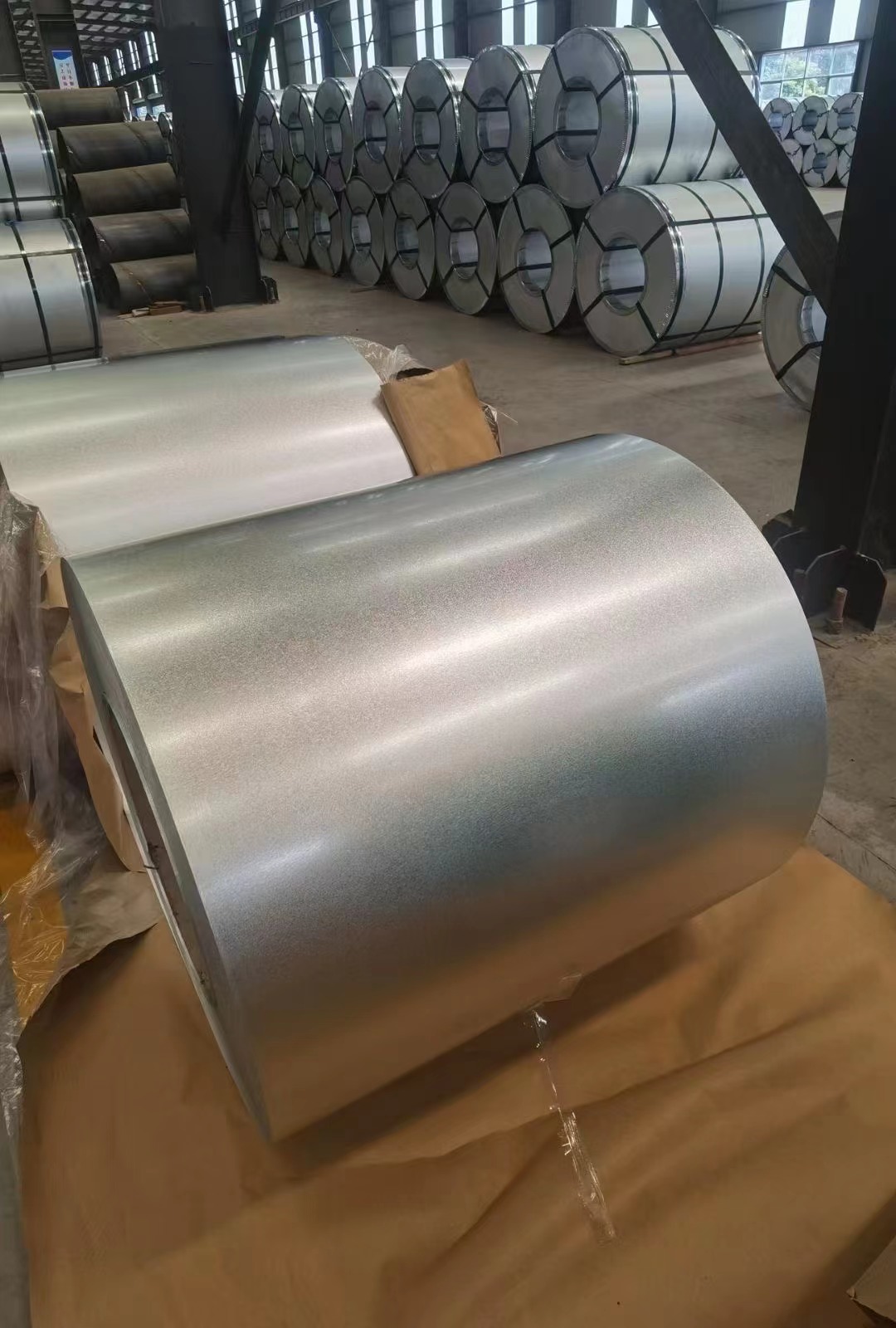
Galvanized steel sheets are widely used in various industries such as construction, home appliances, and automotive due to their excellent corrosion resistance. However, over time, environmental factors can lead to corrosion, affecting both the aesthetic appeal and functionality of the material. Therefore, taking effective measures to prevent corrosion is crucial. This article explores several methods to effectively prevent corrosion in galvanized steel sheets, ensuring their longevity and performance.
1. Selecting High-Quality Galvanized Steel
The first and foremost method to prevent corrosion is selecting high-quality galvanized steel sheets. Superior galvanized sheets have thicker coatings, providing enhanced protection against corrosion. When purchasing galvanized steel, it is essential to consider factors such as the thickness, uniformity of the zinc coating, and the manufacturing process to ensure that the material provides optimal corrosion resistance.
2. Proper Installation and Usage
Proper installation and usage are key to preventing corrosion. During installation, care must be taken to avoid scratching or damaging the zinc coating, as this could compromise its protective properties. Furthermore, during usage, it is crucial to avoid direct contact with corrosive substances such as acids, alkalis, and other chemicals. Regular cleaning of the galvanized sheet surface to remove dirt and debris is also an important measure to prevent corrosion. Keeping the surface dry and clean ensures that the protective layer remains intact.
3. Coating Protection
Another effective method to prevent corrosion is by applying a protective coating on the surface of galvanized steel. Using corrosion-resistant coatings further enhances the material’s ability to resist environmental damage. Choosing the right type of coating and ensuring proper application techniques are critical to ensuring the coating’s adhesion and weather resistance, thereby boosting the corrosion resistance of galvanized sheets.
4. Electrochemical Protection
Electrochemical protection, including cathodic and anodic protection, is an advanced method for preventing corrosion. By using these methods, a protective electrochemical film can be formed on the surface of the galvanized sheet, preventing corrosion reactions. This type of protection offers long-term and reliable performance. However, electrochemical protection requires specialized equipment and technical expertise, and the initial cost can be relatively high.
5. Environmental Control
Controlling the environment around galvanized steel sheets plays a vital role in preventing corrosion. By improving environmental conditions such as reducing humidity and minimizing exposure to corrosive gases, corrosion rates can be significantly slowed. It is important to store galvanized sheets in dry, well-ventilated areas to avoid the risks associated with high humidity or extreme temperatures.
6. Regular Inspection and Maintenance
Regular inspection and maintenance are essential to prevent corrosion in galvanized sheets. By routinely checking the condition of the sheets, any corrosion issues can be detected early and addressed before they worsen. Proper maintenance, such as repairs and touch-ups, helps prolong the life of the galvanized material and prevents further damage, ensuring that it continues to perform optimally.
Conclusion
Preventing corrosion in galvanized steel requires a multi-faceted approach, including selecting high-quality materials, proper installation and usage, applying protective coatings, utilizing electrochemical protection, controlling environmental conditions, and performing regular maintenance. By implementing these strategies, the risk of corrosion can be significantly reduced, ensuring that galvanized steel sheets maintain their appearance and functionality throughout their service life.