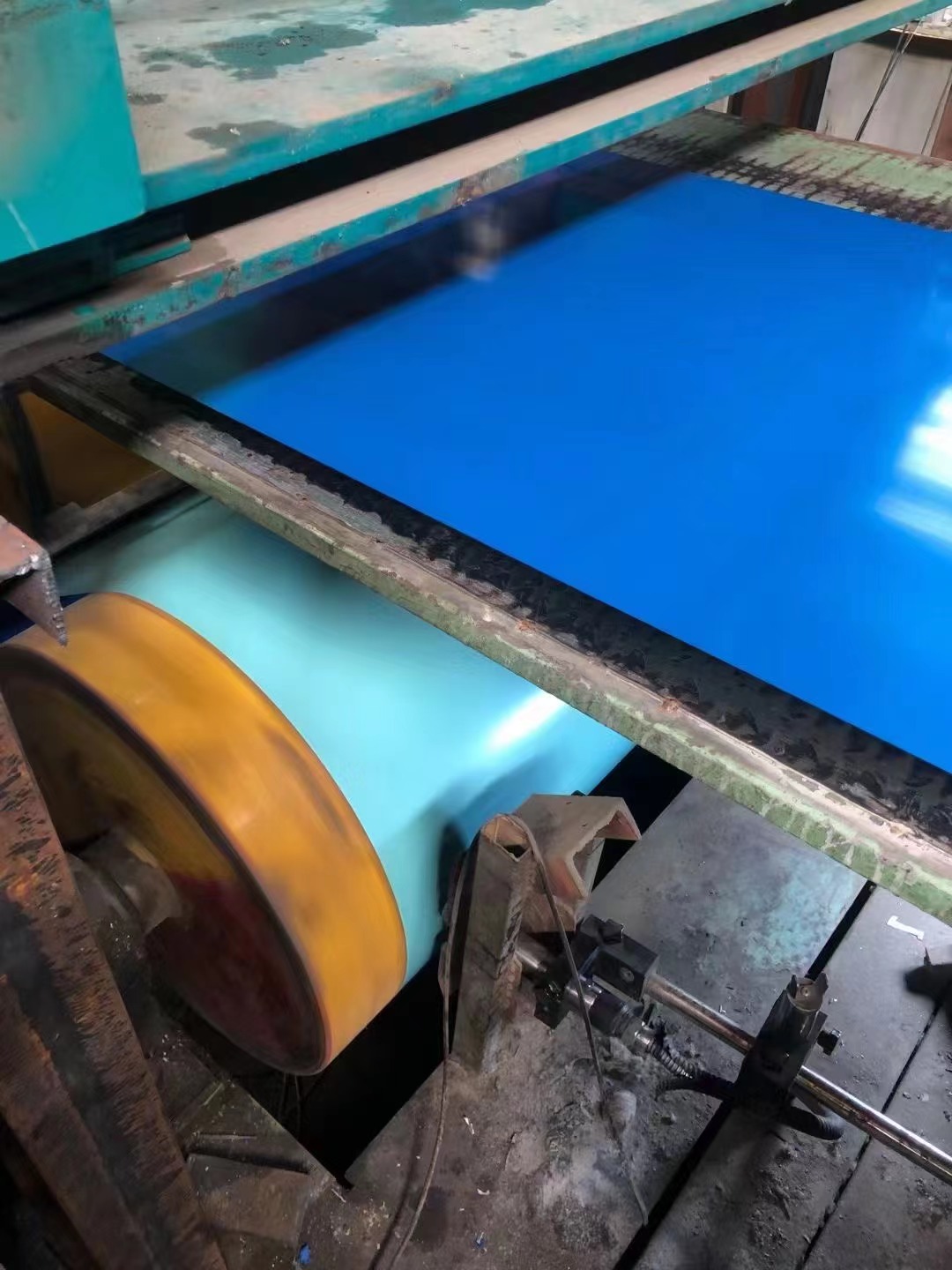
Cleanroom panels are innovative construction materials designed to provide excellent performance in various environments, especially in the food industry. With outstanding properties like fire resistance, moisture resistance, corrosion resistance, thermal insulation, and soundproofing, these panels offer significant advantages in maintaining sanitary and safe conditions in food production processes. This article explores the key characteristics, applications, and benefits of cleanroom panels in the food industry.
Key Features of Cleanroom Panels
Fire Resistance: Cleanroom panels are designed with high fire-resistant properties, ensuring compliance with safety regulations, especially in the food industry where fire hazards are a significant concern.
Moisture Resistance: One of the standout features of cleanroom panels is their ability to prevent moisture and mold growth. Their surface treatment technology ensures that humidity does not compromise the hygiene and safety of food products.
Corrosion Resistance: Cleanroom panels are resistant to corrosion, ensuring they are not damaged by food acids, alkalis, or other chemicals. The primary materials used—wood fiberboards and gypsum boards—are specially treated to prevent corrosion. Choosing treated wood, such as pine or oak, and high-quality, waterproof gypsum boards ensures durability and longevity.
Thermal Insulation: With excellent thermal insulation properties, cleanroom panels help reduce energy consumption in food production by maintaining temperature control and improving overall energy efficiency.
Soundproofing: These panels also offer effective soundproofing, helping to minimize noise pollution during food production, which is essential for maintaining a conducive working environment.
Applications of Cleanroom Panels in the Food Industry
Cleanrooms: Cleanroom panels are widely used in the construction of cleanrooms in food production facilities, ensuring high standards of cleanliness and air quality essential for food safety.
Cold Storage: These panels are also ideal for building cold storage facilities, where maintaining a hygienic and temperature-controlled environment is critical for preserving food quality.
Bathroom Partitions: In food factories, cleanroom panels are used for constructing bathroom partitions, ensuring privacy and hygiene for workers while meeting regulatory requirements.
Kitchen Dividers: In food processing plants, cleanroom panels are used to build dividers within kitchens, providing effective separation to maintain sanitary conditions and operational efficiency.
Advantages of Cleanroom Panels in the Food Industry
Safety and Hygiene: Cleanroom panels’ superior moisture resistance, fire resistance, and corrosion resistance ensure the hygiene and safety of food production environments, preventing contamination and spoilage.
Energy Efficiency: With excellent thermal insulation, cleanroom panels reduce the overall energy consumption of food production facilities, making them a cost-effective solution for sustainable operations.
Environmentally Friendly: Made from eco-friendly materials, cleanroom panels reduce environmental pollution, making them a sustainable option for the food industry.
Easy Installation: The lightweight design of cleanroom panels allows for quick and easy installation, enhancing construction efficiency and reducing project timelines.
Conclusion
Cleanroom panels offer a wide range of benefits in the food industry, from ensuring hygiene and safety to improving energy efficiency and reducing environmental impact. With their superior performance in fire resistance, moisture control, corrosion prevention, thermal insulation, and soundproofing, cleanroom panels are an ideal choice for maintaining high standards in food production facilities.