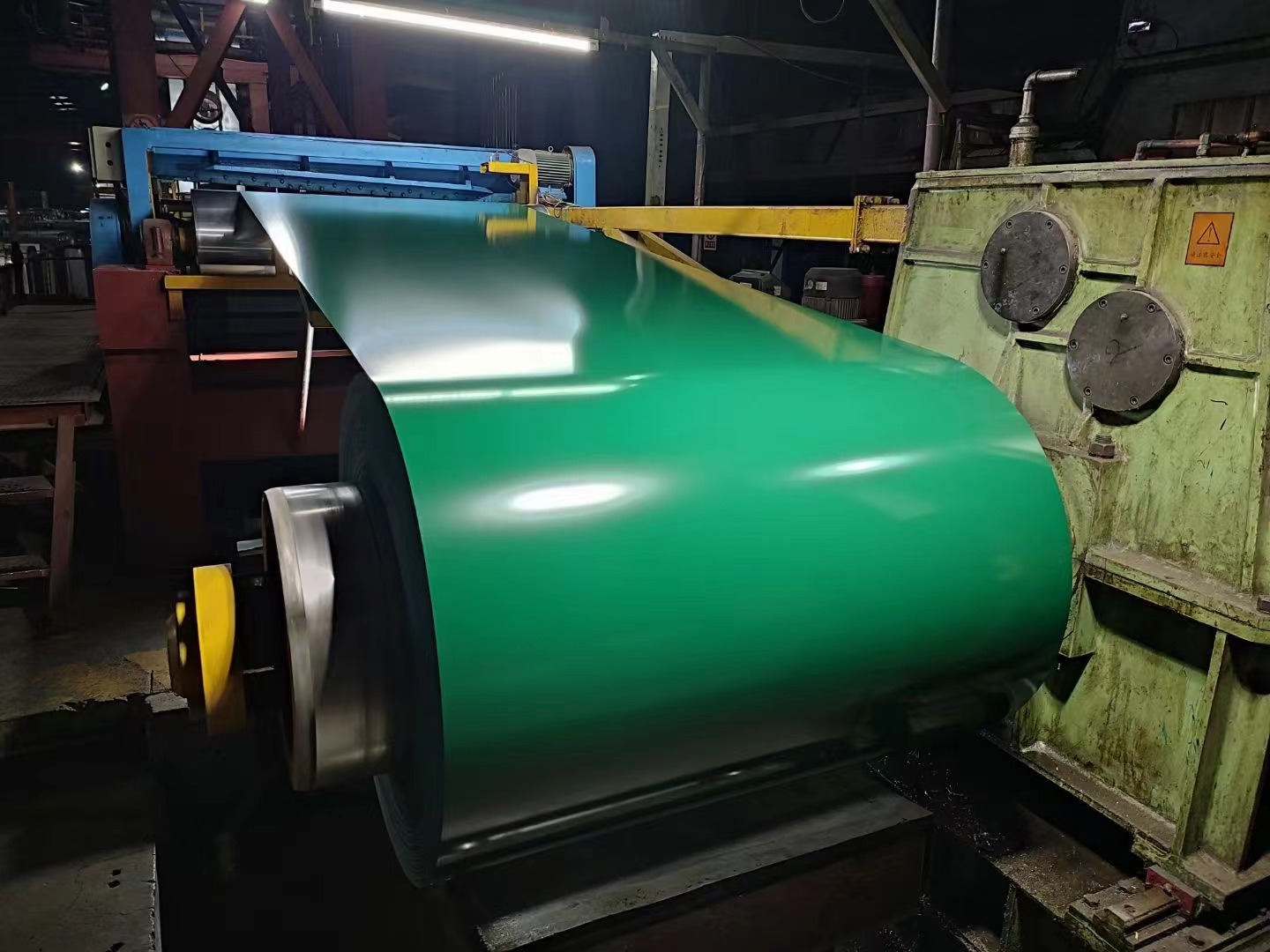
Cleanroom panels are commonly seen in various buildings, especially in hospitals, sterilization rooms, and projects that require thermal insulation, such as polyurethane manual cleanroom panels. These panels, typically made from materials like color-coated steel plates and stainless steel, are composite materials designed for environments where dust control, static resistance, and antibacterial properties are crucial. They are widely used in industries such as electronics, pharmaceuticals, food production, biotechnology, aerospace, and precision instrument manufacturing. Cleanroom panels are generally categorized into three types: mechanized cleanroom panels, manual cleanroom panels, and electro-galvanized steel panels. Let’s explore the fundamental differences between mechanized and manual cleanroom panels.
1. Panel Types and Application
- Mechanized Cleanroom Panels: These are commonly made with core materials such as polystyrene, rock wool, paper honeycomb, glass fiber, or polyurethane.
- Manual Cleanroom Panels: The core materials for manual panels include rock wool, glass magnesium, paper honeycomb, aluminum honeycomb, and glass fiber.
2. Appearance and Surface Finish
One of the key differences between mechanized and manual cleanroom panels lies in their appearance:
- Mechanized cleanroom panels tend to have less smoothness, with gaps between panels and inconsistent surface finishes.
- Manual cleanroom panels, on the other hand, have better flatness and more precise inter-panel seam alignment, which contributes to a more aesthetically pleasing finish.
3. Strength and Durability
Strength is another area where these two types of panels differ:
- Mechanized panels, particularly those with rock wool cores, typically have lower strength. This can be a drawback when higher durability is required.
- Manual cleanroom panels are designed with reinforcement at the edges, such as cold-rolled steel plates, which enhance their strength and stability, particularly at the panel joints.
4. Fire Resistance
With increasing fire safety standards, fire resistance has become an important factor in the choice of cleanroom panels:
- Mechanized panels, especially those with foam cores, often struggle to meet modern fire safety requirements. This has led to a decline in the market for foam-based panels.
- Manual cleanroom panels, however, can meet higher fire resistance standards due to their use of non-combustible core materials such as rock wool and glass magnesium, making them a better choice for fire-critical applications.
5. Core Material Differences
The core material differences between mechanized and manual cleanroom panels are quite pronounced:
- Mechanized cleanroom panels often use lighter and more cost-effective materials such as polystyrene, glass fiber, or polyurethane, which may not offer the same level of fire resistance or sound insulation as manual panels.
- Manual cleanroom panels, in contrast, use more durable and fire-resistant materials like rock wool, aluminum honeycomb, and glass magnesium, making them more suitable for demanding cleanroom environments.
6. Panel Connection and Installation
The methods of panel connection and installation vary significantly between the two types:
- Mechanized Panels are generally available in standard sizes such as 950-type tongue-and-groove and 1150-type tongue-and-groove panels.
- Manual Panels are more versatile, offering non-standard options, including 1180/980-type box panels, 1150/950-type tongue-and-groove panels, and the “three mothers and one male” type, which are used for concealed beam ceiling applications.
7. Applications
Manual cleanroom panels are ideal for high-demand cleanroom environments that require superior fire resistance, strength, and surface finish. They are often used in industries such as pharmaceuticals and electronics. Mechanized panels, with their lighter materials and ease of installation, are more suitable for less stringent applications, such as general office environments or areas that do not require high levels of fire resistance or durability.