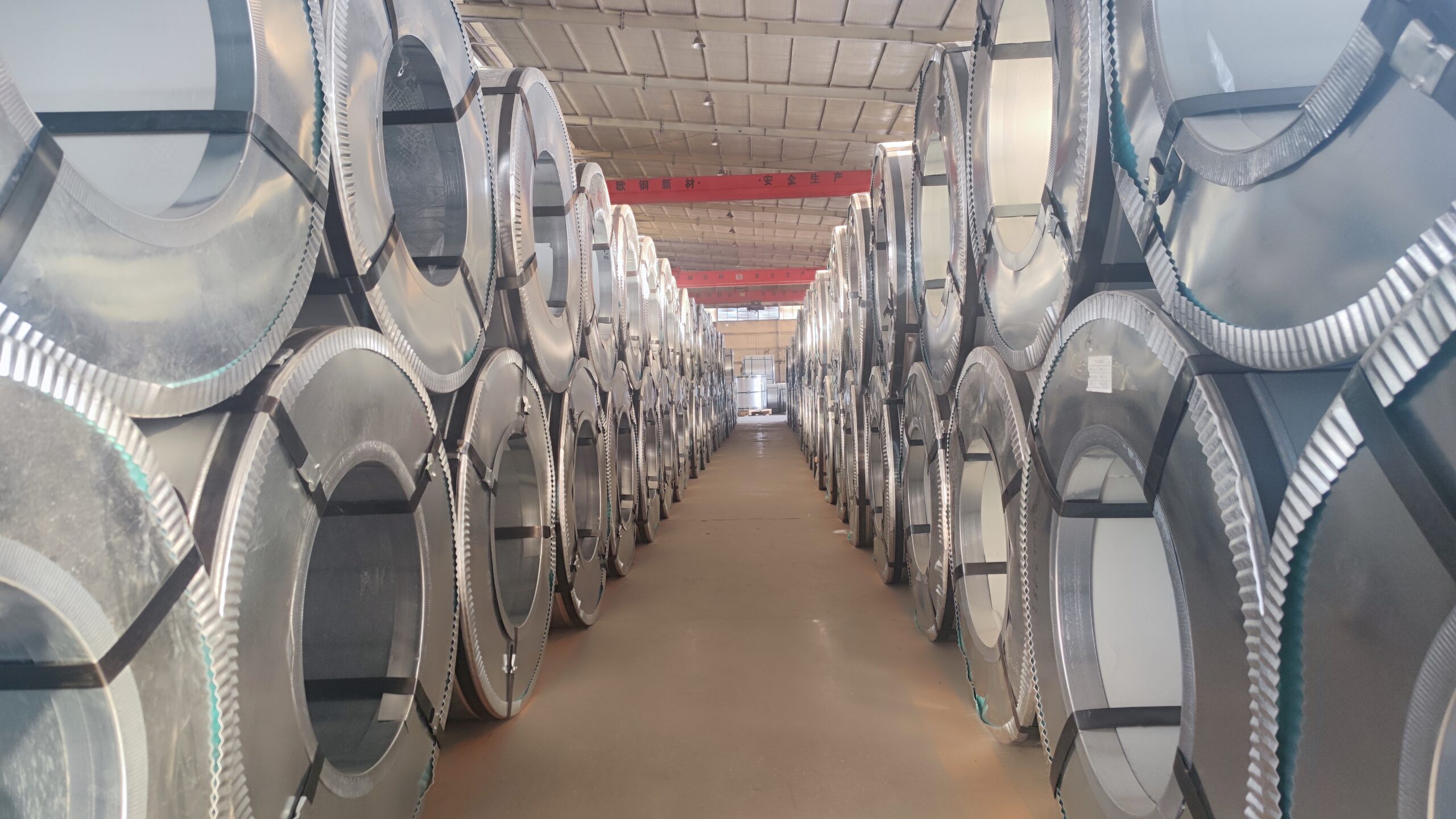
Galvanized steel and Galvalume steel are both popular materials used for various applications, including construction and automotive industries. While they share some similarities, they differ significantly in terms of coating composition, corrosion resistance, aesthetic appeal, and cost. In this article, we will explore the key differences between these two types of steel to help you understand which one might be more suitable for your needs.
1. Coating Composition
The primary difference between galvanized steel and Galvalume steel lies in their coating composition. Galvanized steel is coated with a layer of zinc, which provides sacrificial protection to the base material. This means the zinc coating corrodes first, protecting the underlying steel from rusting. The protection continues until the zinc is completely worn away.
On the other hand, Galvalume steel has a coating made up of 55% aluminum, 43.5% zinc, and a small amount of other elements. The surface of Galvalume steel forms a honeycomb-like structure, with aluminum forming the “cells” that contain zinc. While Galvalume steel still offers some sacrificial protection, the aluminum component reduces the corrosion resistance compared to pure galvanized steel. When Galvalume steel is cut, the edges lose their protection, which can result in rust formation unless special measures, such as anti-rust or zinc-rich paints, are applied.
2. Corrosion Resistance
Galvanized steel is generally more resistant to corrosion compared to Galvalume steel. This is due to the higher zinc content in the coating, which provides more robust protection against rust and corrosion. In areas with high humidity or frequent rainfall, galvanized steel is less likely to show signs of corrosion over time. Galvalume steel, while still offering good corrosion resistance, may experience rapid rusting from exposed edges after cutting, particularly in highly humid or wet environments.
3. Aesthetic Appeal and Durability
In terms of appearance, Galvalume steel has a more aesthetically pleasing surface than galvanized steel. The aluminum content gives Galvalume steel a shiny, metallic finish, which is often considered more attractive, especially for applications where the material is visible. However, this enhanced appearance comes at a higher price point. Galvalume steel is typically more expensive than galvanized steel, and even within the galvanized steel category, there are price variations, with smaller zinc crystals being more expensive than larger ones.
4. Price
Price is another significant difference. Galvalume steel is generally more expensive than galvanized steel due to the additional aluminum in the coating and the complex manufacturing process. However, the added cost might be justified for applications that require a more aesthetically pleasing surface or better heat resistance. Conversely, galvanized steel is a more affordable option, particularly when corrosion resistance is the primary concern.
5. Application Considerations
Galvalume steel is often used in roofing and siding applications, where its reflective surface can help reduce energy costs by reflecting heat away from buildings. It is also used in automotive and home appliance manufacturing due to its corrosion resistance and attractive finish. Galvanized steel, with its better corrosion resistance, is commonly used in outdoor construction projects, including fencing, gutter systems, and structural steel components.
6. Zinc Coating and Protection
Galvanized steel offers more consistent protection, especially in larger-scale outdoor applications. The zinc coating creates a strong, continuous barrier that helps prevent water and air from coming into contact with the steel, thereby minimizing rusting. In contrast, Galvalume steel requires more attention to detail in terms of edge protection and is better suited for controlled environments or aesthetic-focused projects.