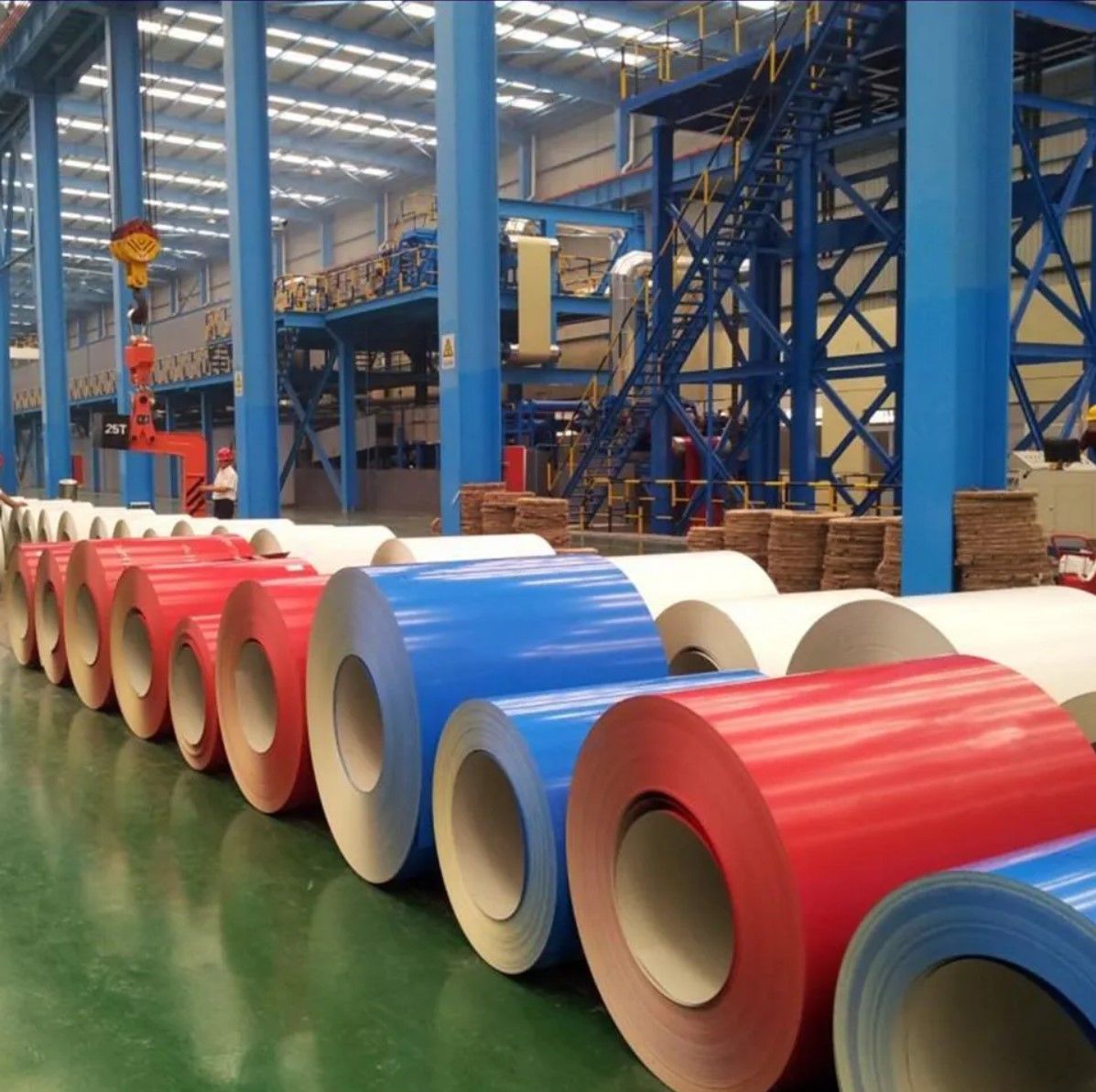
The selection of color-coated steel sheets is influenced by several factors, which can vary based on location and industry. Below are the major elements to consider:
1. Impact of Different Regions
The choice of color-coated steel sheets in different regions mainly depends on the local snow load and corrosion environment.
- Snow load primarily affects the safety factor of the building. While this is related to the mechanical properties of the steel sheet, it is more influenced by the profile, thickness, and the connection between the sheets. (A discussion on the recommended steel materials can be found in development trends.)
- Corrosion environment is more complex to quantify. Many factors contribute to the corrosion of color-coated steel sheets, making it essential to evaluate the environmental conditions of each region carefully.
2. Impact of Different Industries
The usage of color-coated steel sheets in different industries can be divided into two categories:
- External sheets: Normally, color-coated steel sheets are selected based on the region, but local environmental factors must also be considered. For example, the presence of corrosive substances, such as gas emissions from a boiler or sulfur dioxide dust, can affect the steel sheets. During the design process, it’s important to consider factors like the height of chimneys and the prevailing wind direction. Additionally, the factory’s sealing quality must be accounted for, as high temperatures and humidity within the factory can cause corrosive gases to condense on the steel sheets, accelerating localized corrosion.
- Internal sheets (double-layer composite sheets) or back paint (single-layer sheets): Internal sheets in roofing applications are more prone to corrosion than wall applications. In these environments, the use of color-coated steel sheets can be viable if the working conditions allow. However, the quality of the indoor environment or investments in environmental protection devices can directly impact the lifespan of the steel sheets.
Industry-Specific Considerations
- Non-ferrous Metal Smelting Plants: Plants involved in smelting non-ferrous metals like copper, zinc, aluminum, and lead present significant challenges to the lifespan of color-coated steel sheets. However, selecting the right materials, design, and environmental measures can enhance the service life of the steel sheets.
- Steel Mills and Power Plants: These facilities also generate corrosive substances, but color-coated steel sheets have a long history of use in these environments.
- Mechanical Manufacturing: In industries such as automotive, turbine manufacturing, and machine tools, color-coated steel sheets are generally not affected by corrosion. However, heat treatment furnaces, boilers, and other equipment in these industries can influence local environments, which may cause corrosion, especially at damaged or cut edges.
- Warehousing and Logistics: This fast-developing sector frequently uses light steel, which doesn’t cause corrosion to color-coated steel sheets. The primary factor for selecting steel sheets in this industry is the broader environmental impact, typically in industrial or coastal areas.
- Public and Civil Architecture: In buildings where aesthetics and durability are key concerns, factors like anti-discoloration, anti-powdering, and the smoothness of the coating surface are crucial. For these buildings, PVDF or HDP coatings are often preferred, and lighter colors are typically chosen.