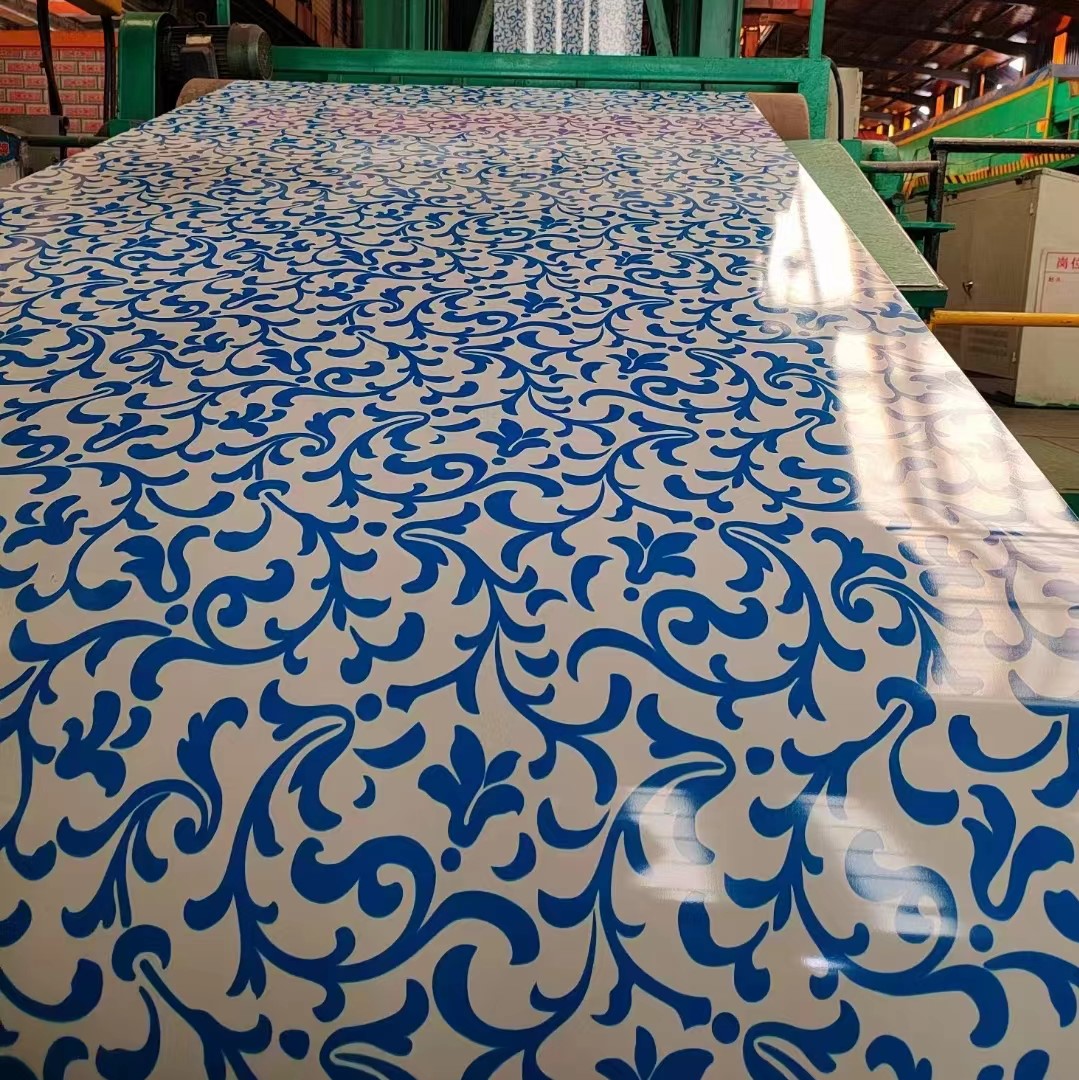
Printed steel sheets are commonly used in our daily lives, and like any other product, they require regular cleaning after prolonged use to maintain their effectiveness. If cleaning printed steel sheets has become a concern for users, let’s explore the necessary steps for proper cleaning.
1. Controlling the Concentration and Temperature of Cleaning Solution
During the cleaning process of printed steel sheets, it is important to control the concentration and temperature of the cleaning solution. If the concentration is too low, the oil and grease on the surface of the substrate will not be thoroughly cleaned, which may lead to defects during the subsequent chemical coating process and affect the quality of the final coating. On the other hand, if the concentration is too high, zinc and aluminum, being amphoteric metals, may react with the alkaline solution. This reaction can cause the formation of salts on the surface, leading to severe corrosion and negatively impacting the chemical coating process.
2. Suitable Temperature for Cleaning Agents
Cleaning agents typically contain surfactants, and each surfactant performs best at a specific temperature. If the temperature is too high, the stability of the surfactants decreases, which reduces the cleaning solution’s ability to remove oil. If the temperature is too low, the saponification reaction slows down, making it difficult to remove the oil, while excessive foam formation may also interfere with the cleaning process. Additionally, overly high temperatures can accelerate the corrosion of the zinc and aluminum layers when adjusting the solution.
3. Seek Professional Assistance
Printed steel sheet manufacturers advise users to be cautious during the cleaning process. If any issues arise, it is essential to consult with professional technicians to ensure proper handling and avoid damage.