Anti-Dumping Measures Extended Amid Duty Review
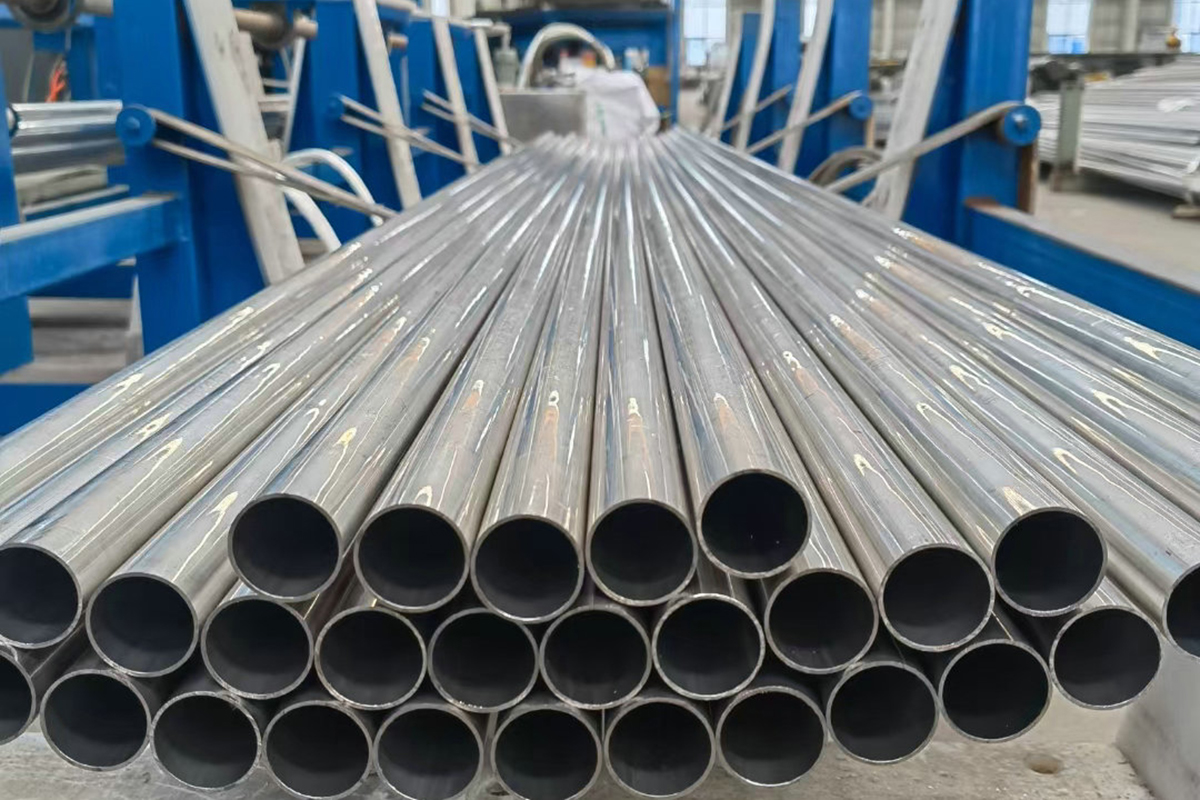
The Eurasian Economic Union (EAEU) has prolonged anti-dumping measures on Chinese hot-deformed seamless stainless pipes while conducting a duty extension review. The move aims to ensure market protection as the current 15.5% anti-dumping duty, initiated in December 2019, approaches expiration.
- Temporary Extension: The measures will now last until 24 September 2025, during which the investigation will be completed.
- Investigation Initiation: The review began on 25 September 2024, following an application submitted by Volzhsky Pipe Plant, Pervouralsk New Pipe Plant, and TMK’s Chelpipe.
Scope of Investigation
The anti-dumping investigation targets seamless pipes:
- Material: Corrosion-resistant (stainless) steel.
- Manufacturing: Hot deformation process.
- Specifications: Circular cross-section, with an outside diameter of up to 650mm inclusive.
- Classification Codes: EAEU TN VED 7304 49 series, including specific subcategories like 7304 49 930 1 and 7304 49 990 0.
Historical Context
- Cold-Formed Stainless Pipes (2023): Last year, the EAEU relaunched an anti-dumping investigation into Chinese cold-formed seamless stainless steel pipes.
- OCTG Pipes (2021): The EAEU extended anti-dumping duties on oil country tubular goods (OCTG) pipes from China for five years. Duties ranged from 12.23% to 31%, depending on the manufacturer.
Market Implications
The temporary extension of anti-dumping duties reflects the EAEU’s focus on maintaining fair competition and protecting local manufacturers against underpriced imports. The outcome of this investigation will influence trade dynamics in the region’s seamless stainless pipe market, particularly for Chinese exporters.
Key Takeaways for Industry Stakeholders
- Importers: Monitor the review’s progress to adjust procurement strategies accordingly.
- Manufacturers: Prepare for potential long-term impacts on pricing and competition within the EAEU market.
- Traders: Stay updated on tariff developments to anticipate changes in supply chain costs.
By aligning strategies with these developments, businesses can better navigate the evolving regulatory landscape in the EAEU region.